Roofing FAQs for Savannah, GA & Hardeeville, SC
Roofing work raises a lot of questions, especially when you’re dealing with leaks, storm damage, or a roof that’s simply reaching the end of its lifespan. Property owners want to understand what’s happening, what it’s going to cost, and whether the repair or replacement will actually solve the problem.
Whipple Roofing provides residential and commercial roofing services throughout Savannah, Georgia and Hardeeville, South Carolina. This page answers some of the most common general roofing questions we hear from homeowners, builders, and property managers.
If you're looking for details about a specific service, you can also visit our service-specific FAQ pages covering storm damage repairs, residential roof replacement, roof repairs, commercial roofing, and roof coatings.
Roofing Service FAQ Topics
Storm Damage Assessment and Repair FAQs
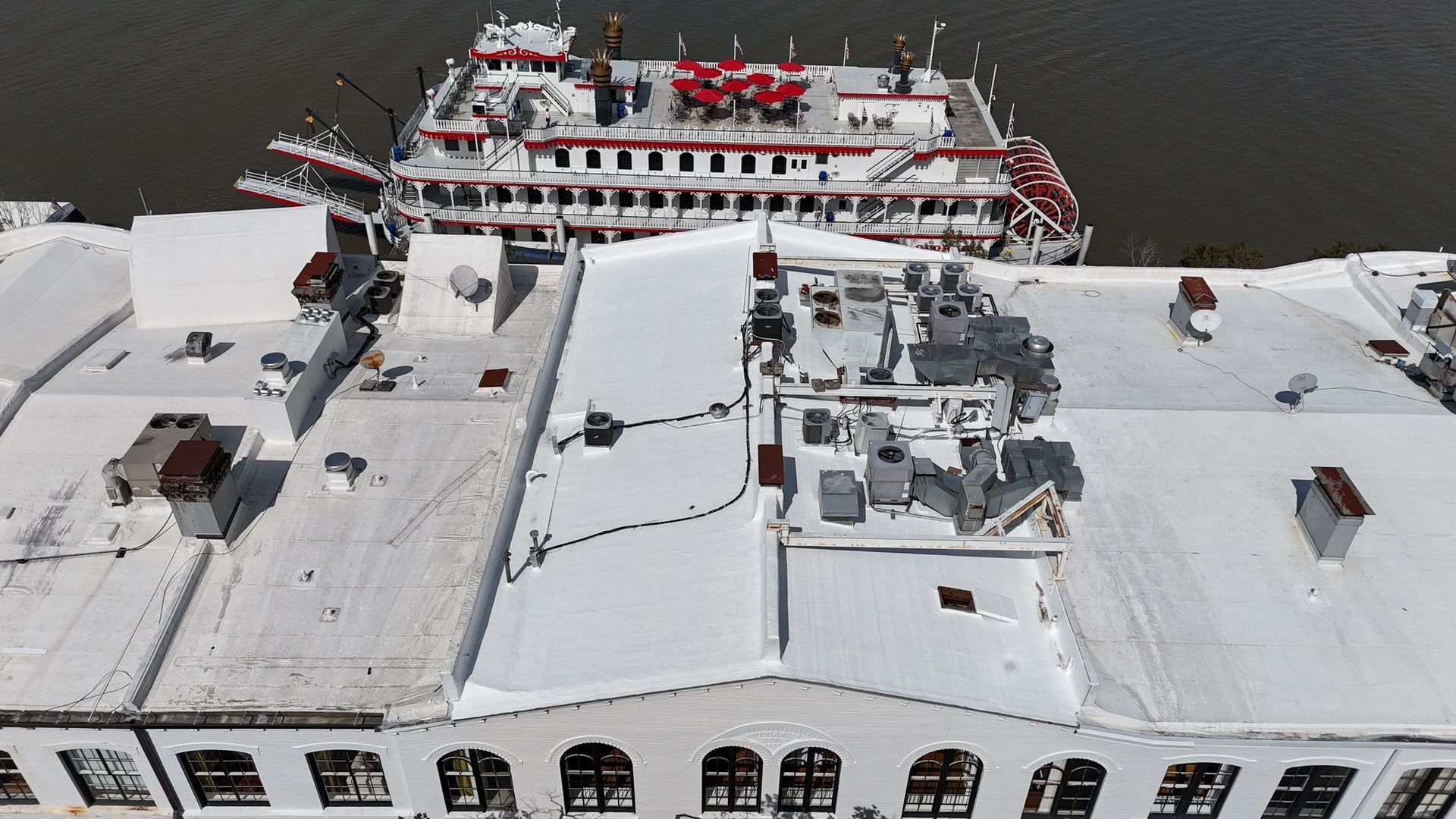
Storms along the Georgia and South Carolina coast can cause everything from minor shingle damage to major structural issues. Our storm damage FAQ page explains how roof inspections work after a storm, how insurance claims are typically handled, and what signs indicate immediate repairs are needed.
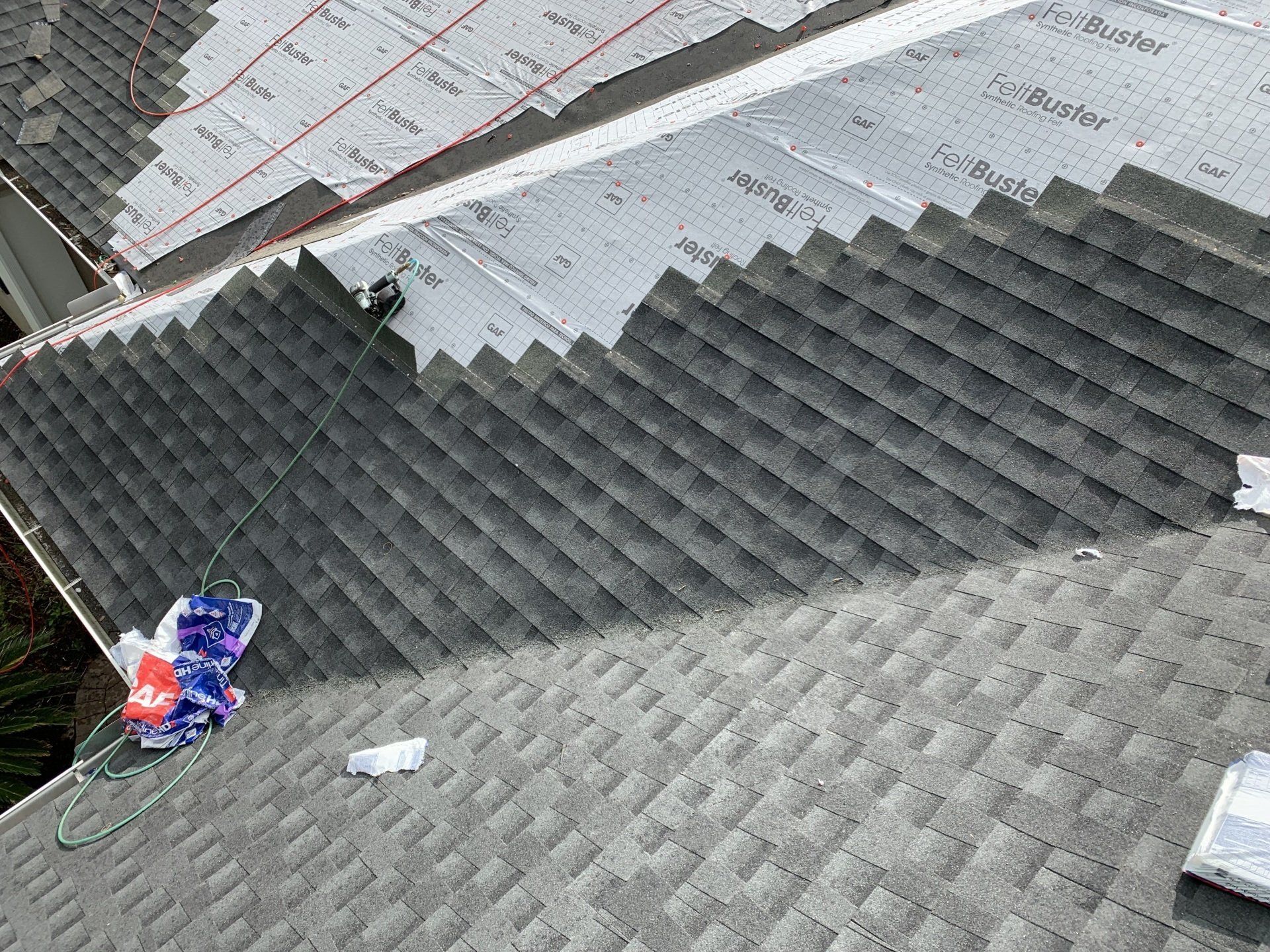
Residential Roof Replacement FAQs
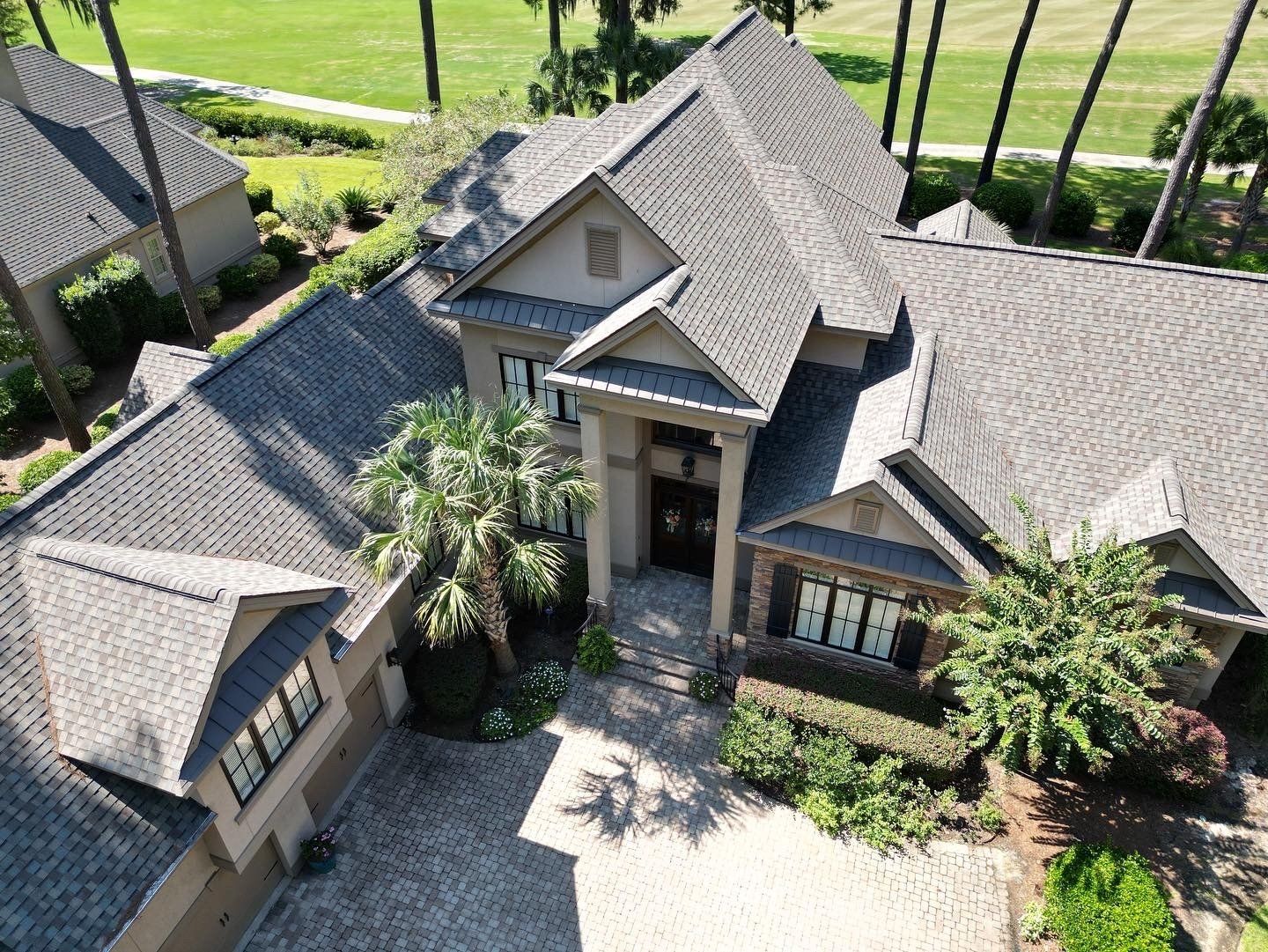
Replacing a roof is a major investment, so homeowners naturally want to understand timelines, materials, costs, and what happens during the installation process. Our roof replacement FAQ page covers what to expect before, during, and after a full residential roof replacement.
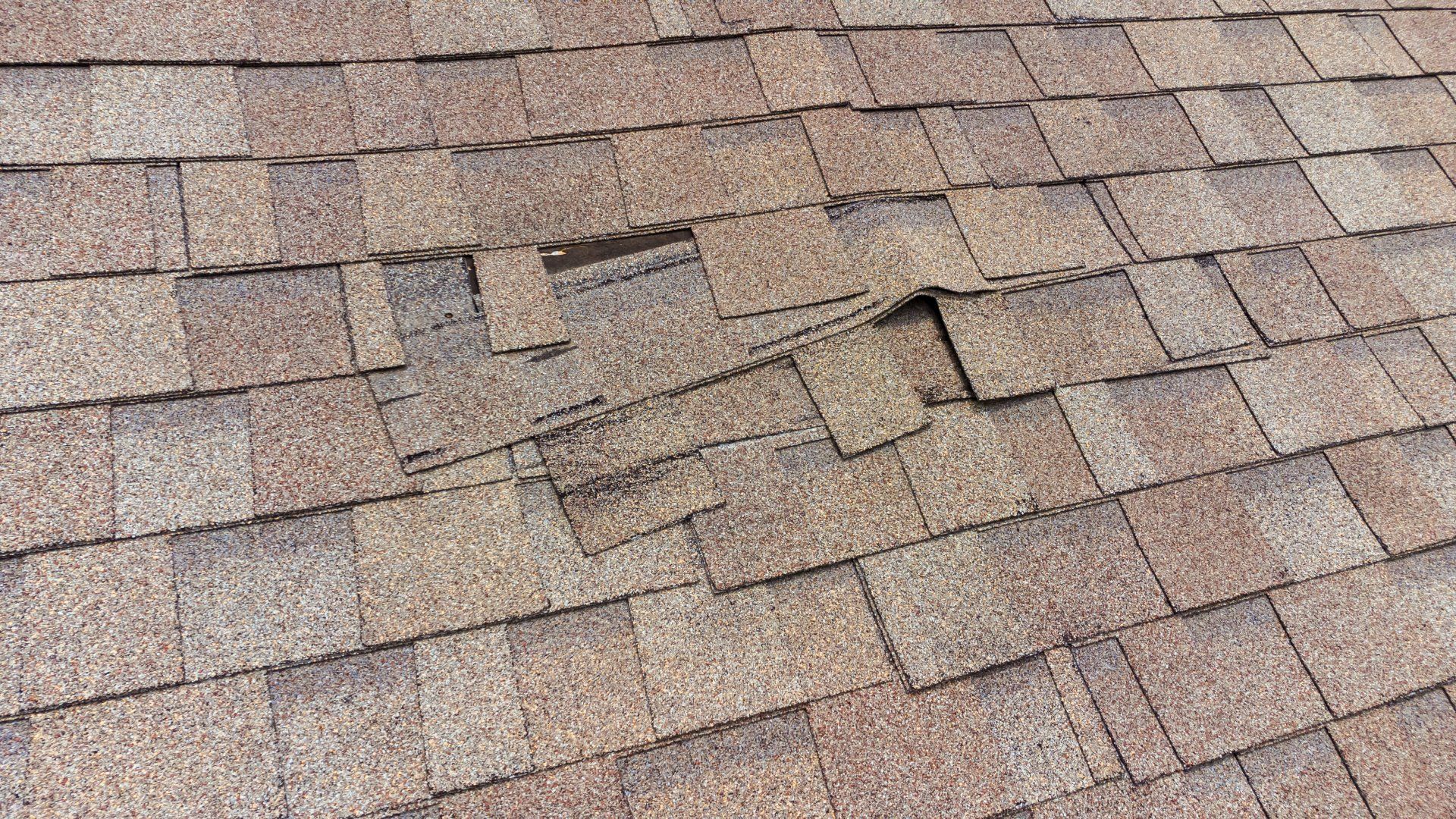
Residential Roof Repair FAQs
Not every roofing issue requires a full replacement. The residential roof repair FAQ page covers common problems like leaks, missing shingles, flashing failures, and how to determine whether repair or replacement is the better option.
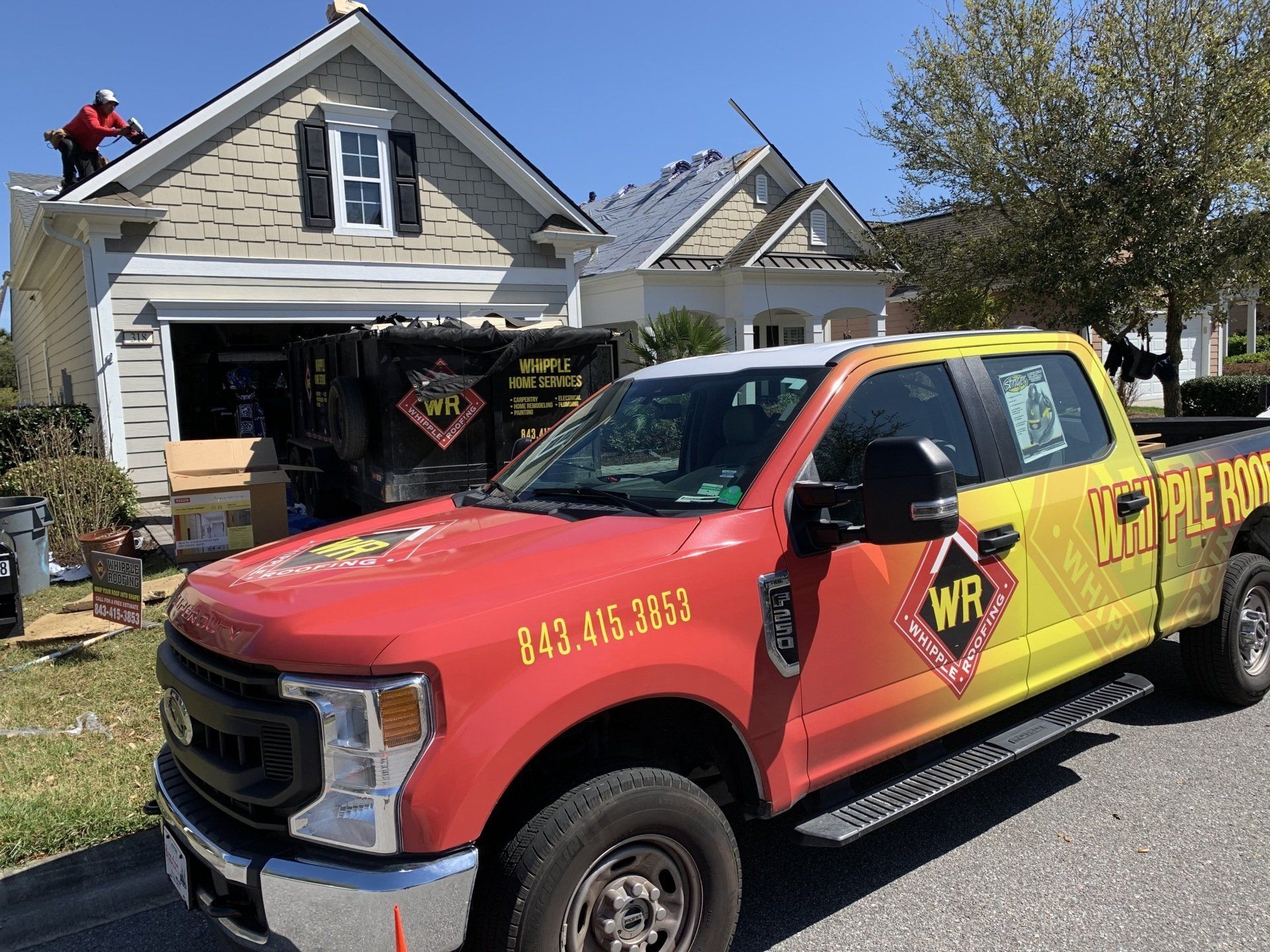
Trusted Roofing Professionals
How do I know if my roof needs repair or replacement?
Many roofing problems start small and gradually become worse over time. Signs that your roof may need professional attention include missing shingles, water stains on ceilings, granules collecting in gutters, or visible sagging in certain areas.
An inspection is usually the best place to start. A roofing contractor can evaluate the condition of the materials, flashing, ventilation, and structural components to determine whether repairs will solve the issue or if replacement makes more sense long term.
How long does a typical roof last?
Roof lifespan depends on the material used, installation quality, and the amount of weather exposure the roof receives. Many residential shingle roofs last between 20 and 30 years under normal conditions. Coastal environments like Savannah and Hardeeville can sometimes shorten that lifespan due to heat, humidity, heavy rain, and occasional severe storms.
Regular inspections and maintenance can help extend the life of most roofing systems.
How much does a new roof usually cost?
Roof replacement costs vary widely depending on roof size, material type, accessibility, and structural condition. Repairs may be relatively minor, while full replacements require more labor and materials.
Because of these variables, the most accurate way to determine cost is with an on-site inspection and written estimate. This allows the contractor to measure the roof, identify any structural concerns, and recommend appropriate materials.
How long does a roof replacement take?
Most residential roof replacements are completed within one to three days once the work begins. Larger homes or complex roof designs may take longer.
Weather conditions can also affect scheduling, particularly in coastal areas where storms and humidity are common. A contractor will typically review the timeline with the homeowner before the project begins.
Will my homeowners insurance cover roof damage?
Insurance coverage depends on the cause of the damage and the details of the individual policy. Storm damage such as wind or hail is often covered, while normal wear and aging usually are not.
If storm damage is suspected, a professional inspection can help document the condition of the roof and determine whether filing an insurance claim is appropriate.
Should I get my roof inspected after a storm?
Yes. Even if there are no visible leaks, strong winds and heavy rain can loosen shingles, damage flashing, or expose vulnerable areas of the roof.
A professional inspection after a severe storm can identify problems early before they turn into larger structural issues or interior water damage.
How often should a roof be inspected?
Many roofing professionals recommend an inspection at least once every one to two years, as well as after major storms.
Routine inspections allow contractors to identify minor problems such as loose flashing or worn sealant before they lead to leaks or structural damage.
What are the most common causes of roof leaks?
Roof leaks often develop around areas where materials meet or where components penetrate the roof surface. These areas can include flashing, roof valleys, chimneys, vents, and skylights.
Over time, sealants and flashing materials can deteriorate due to weather exposure, which allows water to enter the structure.
Can small roof problems turn into major damage?
Yes. Small roofing problems often become much larger issues when they are ignored. A missing shingle or minor flashing issue can eventually allow water to enter the roof deck and insulation.
Catching these issues early usually means simpler and less expensive repairs.
What should I look for when choosing a roofing contractor?
Property owners should look for contractors with experience in the specific roofing system being installed or repaired. Clear communication, written estimates, and a thorough inspection process are also important.
A contractor should be willing to explain the condition of the roof, outline available options, and answer questions before work begins.
Roofing Help from Savannah to Hilton Head Property Owners
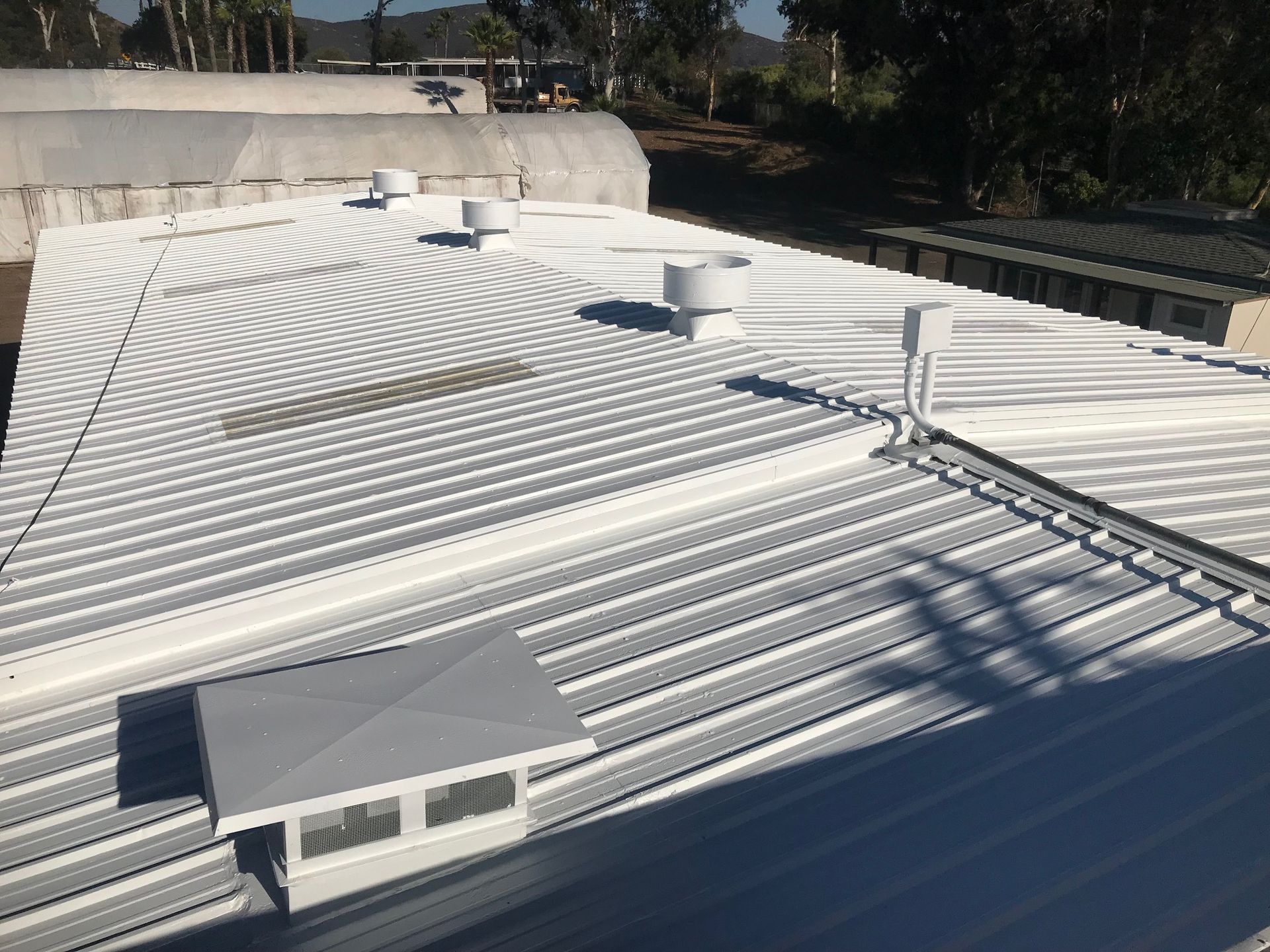
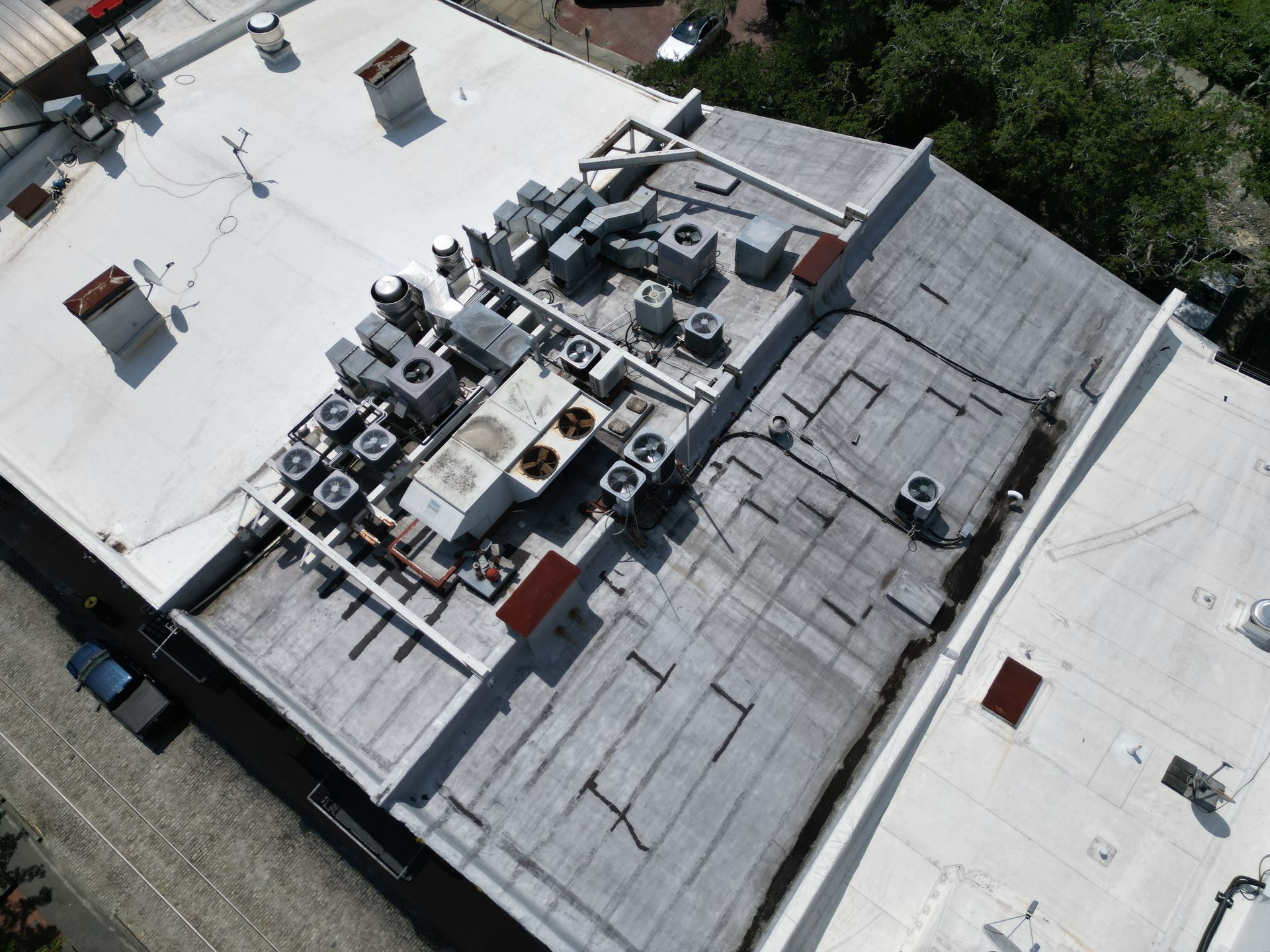
Whipple Roofing provides residential and commercial roofing services throughout Savannah, GA and HHI, SC. Whether you need storm damage assessment, roof repair, replacement, commercial roofing work, or roof coatings, the first step is a proper inspection.
To discuss your roof or schedule an estimate, call Whipple Roofing at 843-227-8431