Common Residential Roof Replacement Questions
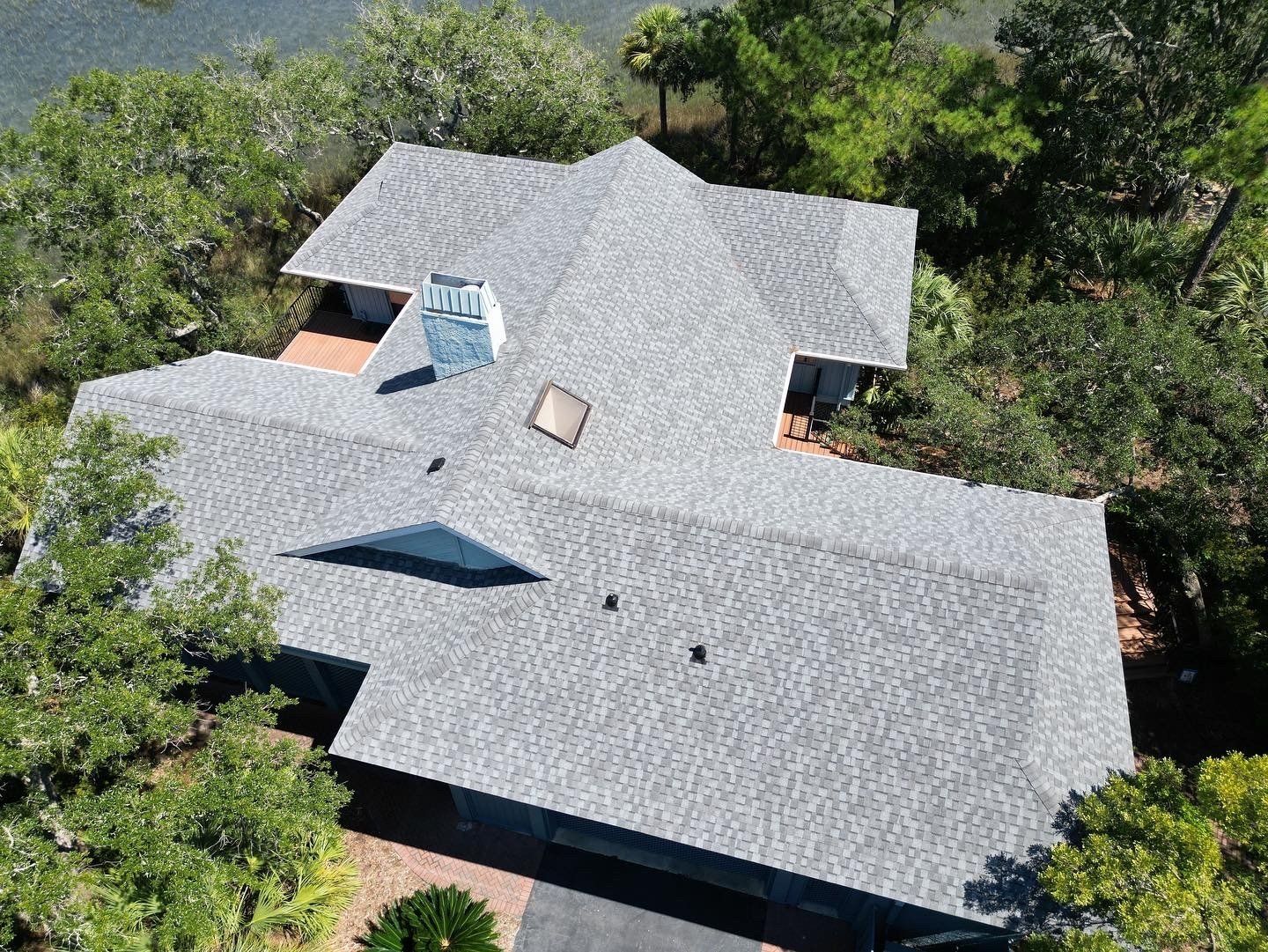
Replacing a roof is one of the larger investments a homeowner will make in the structure of their property. Over time, roofing materials wear down from sun exposure, wind, rain, and temperature changes. When repairs are no longer enough to maintain the integrity of the roof, replacement becomes the more reliable long-term solution.
Whipple Roofing provides residential roof replacement services for homeowners throughout Savannah, Georgia and Hardeeville, South Carolina. This page answers common questions about when replacement is necessary, how the process works, and what homeowners can expect during the project. For broader roofing questions, you can also visit the
roofing FAQ hub.
How do I know when my roof needs to be replaced?
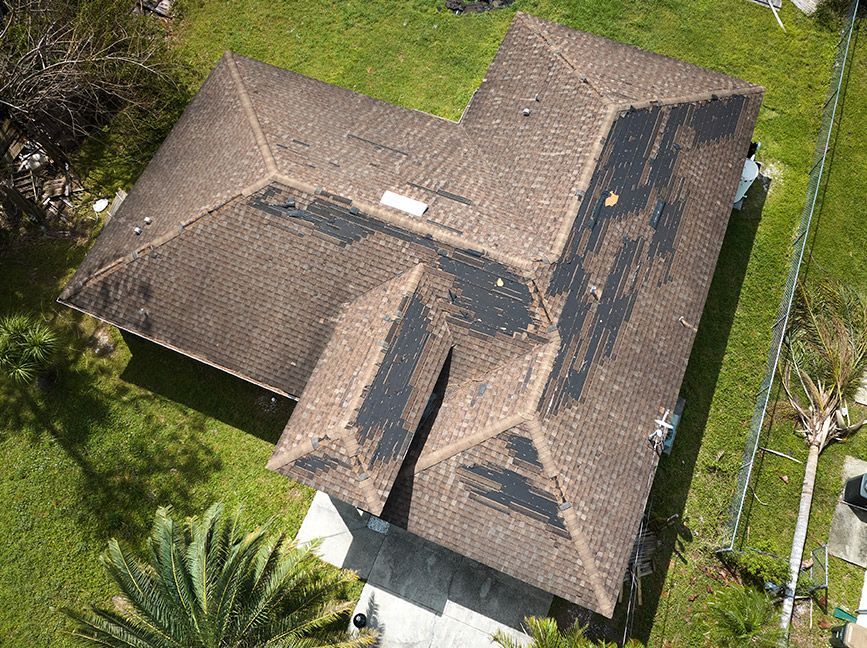
Several signs can indicate a roof may be reaching the end of its service life. These can include widespread shingle deterioration, frequent leaks, missing or curling shingles, visible sagging areas, or significant granule loss.
In some cases, a roof may also be replaced after repeated storm damage or when repairs are no longer cost-effective. A professional inspection helps determine whether repair or full replacement is the better long-term solution.
How long does a residential roof usually last?
The lifespan of a roof depends on the materials used, the quality of installation, and the amount of weather exposure the roof experiences.
Many residential asphalt shingle roofs last between 20 and 30 years under typical conditions. Coastal environments like Savannah and Hardeeville can sometimes shorten that lifespan due to heat, humidity, heavy rain, and strong storms.
How long does a roof replacement take?
Most residential roof replacements are completed within one to three days once work begins. Larger homes, steep roof designs, or complex layouts may require additional time.
Weather can also affect scheduling, particularly during periods of rain or high winds.
What happens during a roof replacement?
A roof replacement typically begins with removing the existing roofing materials down to the roof deck. The decking is then inspected to make sure it is structurally sound.
Once the base structure is confirmed, new underlayment, flashing, and roofing materials are installed. The goal is to create a complete roofing system designed to protect the home from water intrusion and long-term weather exposure.
Will my home be exposed to rain during the replacement?
Roofing crews plan work carefully to limit the time the roof structure is exposed. In most cases, sections of the roof are removed and replaced in stages throughout the day.
If unexpected weather develops, crews can temporarily secure exposed areas until work can continue safely.
Is it better to repair or replace a roof?
The answer depends on the age of the roof and the extent of the damage. If the roof is relatively new and the damage is limited, repairs may be sufficient.
However, if the roof is nearing the end of its lifespan or experiencing repeated problems, a full replacement may provide a more dependable and cost-effective solution than ongoing repairs. Whipple Roofing can evaluate the condition of the roof and explain whether residential roof repair or full replacement makes the most sense.
Will insurance pay for a roof replacement?
Insurance coverage depends on the cause of the damage and the details of the policy. Storm damage caused by wind or hail is sometimes covered, while normal aging and wear are usually not.
If a roof has been damaged by severe weather, it may be helpful to first schedule a storm damage inspection through the storm damage repair service to determine the extent of the issue.
Can I stay in my home during a roof replacement?
Yes. Most homeowners remain in the house while the roof replacement is underway. However, the process can be noisy due to the removal of old materials and installation of new roofing components.
Contractors will usually explain the project timeline so homeowners know what to expect during the installation period.
What roofing materials are used for residential roof replacement?
The most common residential roofing material is asphalt shingles. Other options may be available depending on the structure of the home and the homeowner’s preferences.
A roofing contractor can explain available material options and help determine what is most appropriate for the property.
How much does a residential roof replacement cost?
Roof replacement costs vary based on roof size, slope, material choice, accessibility, and the condition of the underlying structure.
Because each roof is different, the most accurate way to determine cost is through an on-site inspection and written estimate.
What should homeowners do before a roof replacement begins?
Before work starts, homeowners may want to move vehicles away from the house, secure outdoor furniture, and remove fragile items from walls or shelves inside the home.
These small steps help prevent accidental damage and allow the roofing crew to work safely and efficiently.
Do gutters need to be replaced when a new roof is installed?
Not always. If the existing gutters are in good condition, they can usually remain in place during the roofing project.
If the gutters are damaged or worn out, it may make sense to address them at the same time. Whipple Roofing also provides gutter installation and repair when needed.
Related FAQ Topics
Storm Damage Assessment and Repair
Storms along the Georgia and South Carolina coast can cause everything from minor shingle damage to major structural issues. Our storm damage FAQ page explains how roof inspections work after a storm, how insurance claims are typically handled, and what signs indicate immediate repairs are needed.
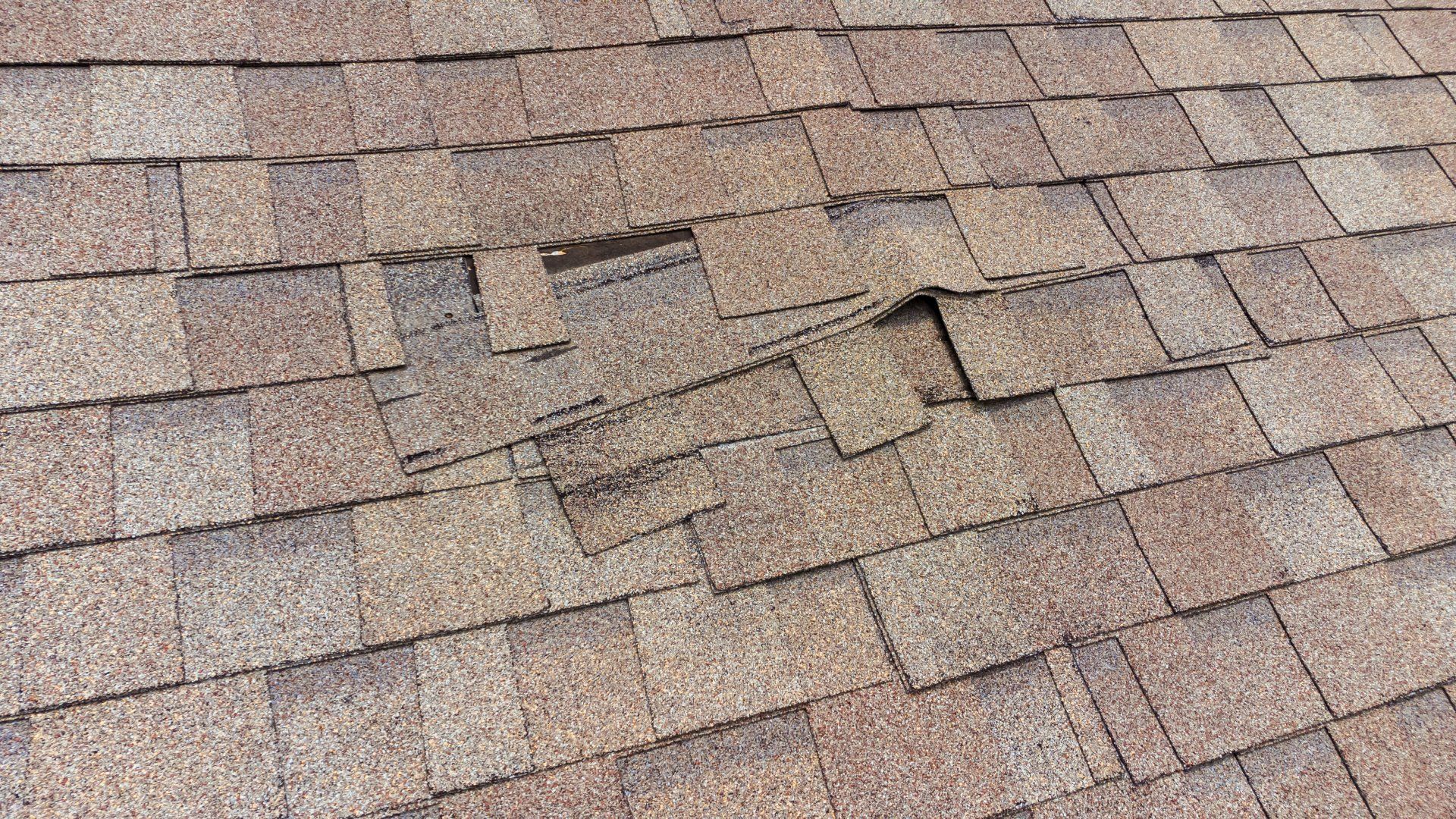
Residential Roof Repair
Not every roofing issue requires a full replacement. The residential roof repair FAQ page covers common problems like leaks, missing shingles, flashing failures, and how to determine whether repair or replacement is the better option.
What to Do Next
If your roof is showing signs of age, storm damage, or ongoing leaks, a professional inspection can help determine whether replacement is necessary.
Whipple Roofing provides residential roof replacement services for homeowners in Savannah, Georgia and Hardeeville, South Carolina.
Call Whipple Roofing at (843) 415-3853 or visit the contact page to schedule an estimate and get clear recommendations for your roof.