Storm Damage Assessment and Repair FAQs
YOUR Locally Owned & Operated Roofing Professionals
Common Storm Damage Assessment and Repair FAQs
Storm damage is not always obvious from the ground. Wind can lift shingles, hail can bruise roofing materials, and heavy rain can expose weak spots that were already developing over time. For property owners in Savannah, Georgia and Hardeeville, South Carolina, quick action matters. A delayed inspection can lead to leaks, deck damage, interior staining, and more expensive repairs.
Whipple Roofing helps homeowners and property managers identify storm-related roofing issues, explain what was found, and recommend the right repair approach based on the actual condition of the roof. For broader roofing questions, visit the
roofing FAQ hub.
What counts as storm damage on a roof?
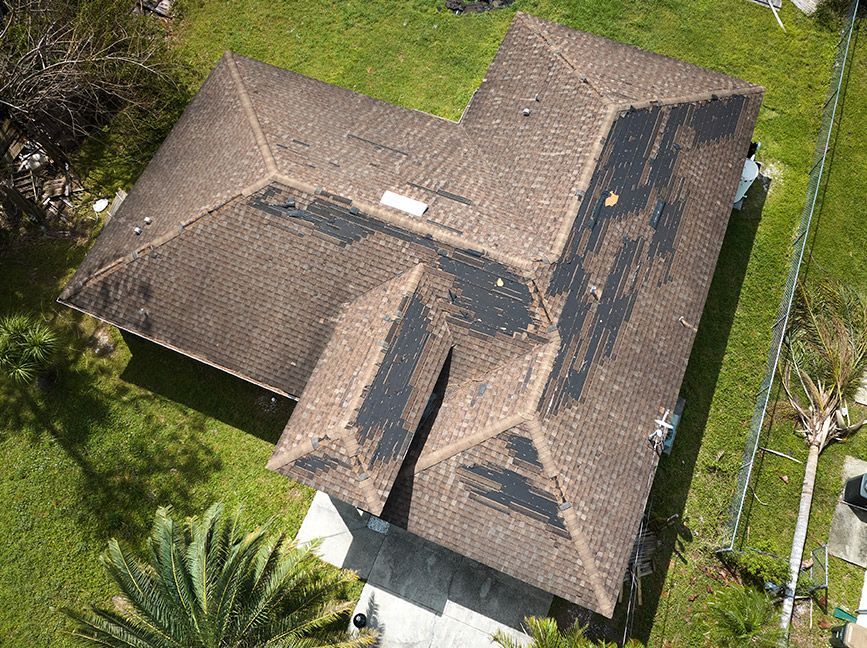
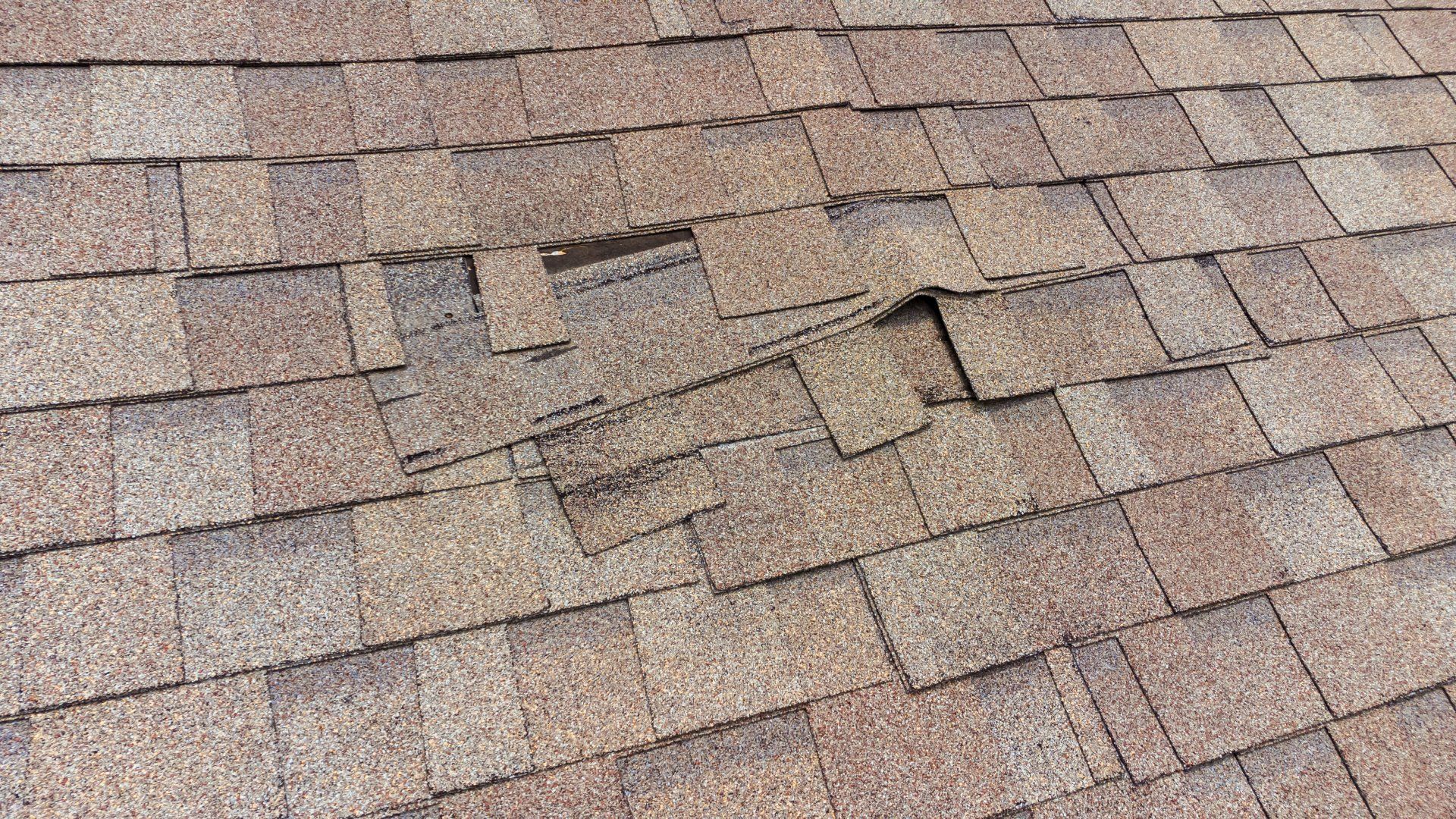
Storm damage can include missing shingles, lifted shingles, punctures, damaged flashing, exposed underlayment, hail impact marks, fallen debris damage, and water intrusion caused by wind-driven rain. Some roofs also develop damage around ridge caps, vents, chimneys, and valleys after strong weather moves through.
In some cases, the damage is obvious right away. In others, the roof may look mostly intact from the ground while hidden problem areas continue to worsen over time.
How do I know if my roof has storm damage?
Common signs include shingles on the ground, visible sections of lifted or missing roofing material, water stains on ceilings, leaks in the attic, dented metal components, or debris impact on the roof surface. You may also notice flashing out of place or damp areas that appear after rain.
The most reliable way to confirm storm damage is with a professional roof inspection.
Should I get my roof inspected even if it is not leaking?
Yes. A roof can sustain storm damage without causing an immediate leak. Wind may loosen shingles or flashing, and hail may damage the surface in a way that shortens the life of the roof even before water gets inside.
An inspection after a major storm helps catch issues before they turn into active leaks or structural deterioration. If damage is confirmed, Whipple Roofing provides residential storm damage repair throughout Savannah and Hardeeville.
How soon should storm damage be inspected?
As soon as it is safe to do so. The earlier the roof is inspected, the easier it is to identify fresh storm-related issues and prevent secondary damage from developing.
Waiting too long can allow water intrusion to spread into the decking, insulation, ceilings, or walls.
Can a small amount of storm damage become a bigger problem?
Yes. A single lifted shingle or damaged flashing area can create an entry point for water. Once moisture gets beneath the roofing system, the damage can spread into underlying materials and interior spaces.
What starts as a limited repair can become a much larger problem if it is left exposed through more rain and wind.
What happens during a storm damage roof inspection?
A storm damage inspection typically includes checking shingles or other roofing materials, flashing, penetrations, valleys, ridge areas, drainage paths, and visible signs of impact or water entry.
The goal is to determine whether the roof has functional damage, how extensive it is, and what type of repair is needed.
Will storm damage always require a full roof replacement?
No. Some roofs can be repaired successfully if the damage is limited to a specific section and the rest of the system is still in good condition.
Other roofs may need more extensive work if the damage is widespread or if the roofing materials are already near the end of their useful life. In those cases, a full residential roof replacement may be the more reliable long-term solution.
Does homeowners insurance cover storm damage roof repair?
Insurance coverage depends on the policy and the cause of the damage. Storm-related events such as wind or hail are often treated differently than normal aging or long-term wear.
If you suspect storm damage, it is smart to have the roof inspected promptly so the condition can be documented.
Can you repair a roof before the insurance claim is finalized?
That depends on the situation. If the roof is actively leaking or vulnerable to further water intrusion, temporary protective measures or urgent repairs may be necessary to reduce additional damage.
For non-emergency situations, many property owners prefer to understand the full condition of the roof before making permanent repair decisions.
What is the difference between storm damage and normal roof wear?
Storm damage usually has a more sudden pattern tied to a specific weather event, such as lifted shingles, torn materials, impact marks, or localized damage from falling debris.
Normal wear tends to develop gradually through age, sun exposure, moisture, and long-term material breakdown.
Can hail damage a roof even if the shingles are still in place?
Yes. Hail does not always knock materials loose. It can bruise, crack, or weaken roofing surfaces without creating obvious missing sections. That kind of damage may reduce the roof’s lifespan and make it more vulnerable to future leaks.
What should I do right after a storm if I think my roof was damaged?
Start by looking for visible signs from the ground, such as missing shingles, fallen branches, metal damage, or interior leaks.
Then schedule a roof inspection. The priority is to identify the source and extent of the damage before it leads to larger repair needs.
How long do storm damage roof repairs usually take?
Minor repairs may be completed quickly once the scope of work is confirmed. More involved repairs can take longer depending on the extent of the damage, material availability, and weather conditions.
Related FAQ Topics
Residential Roof Replacement
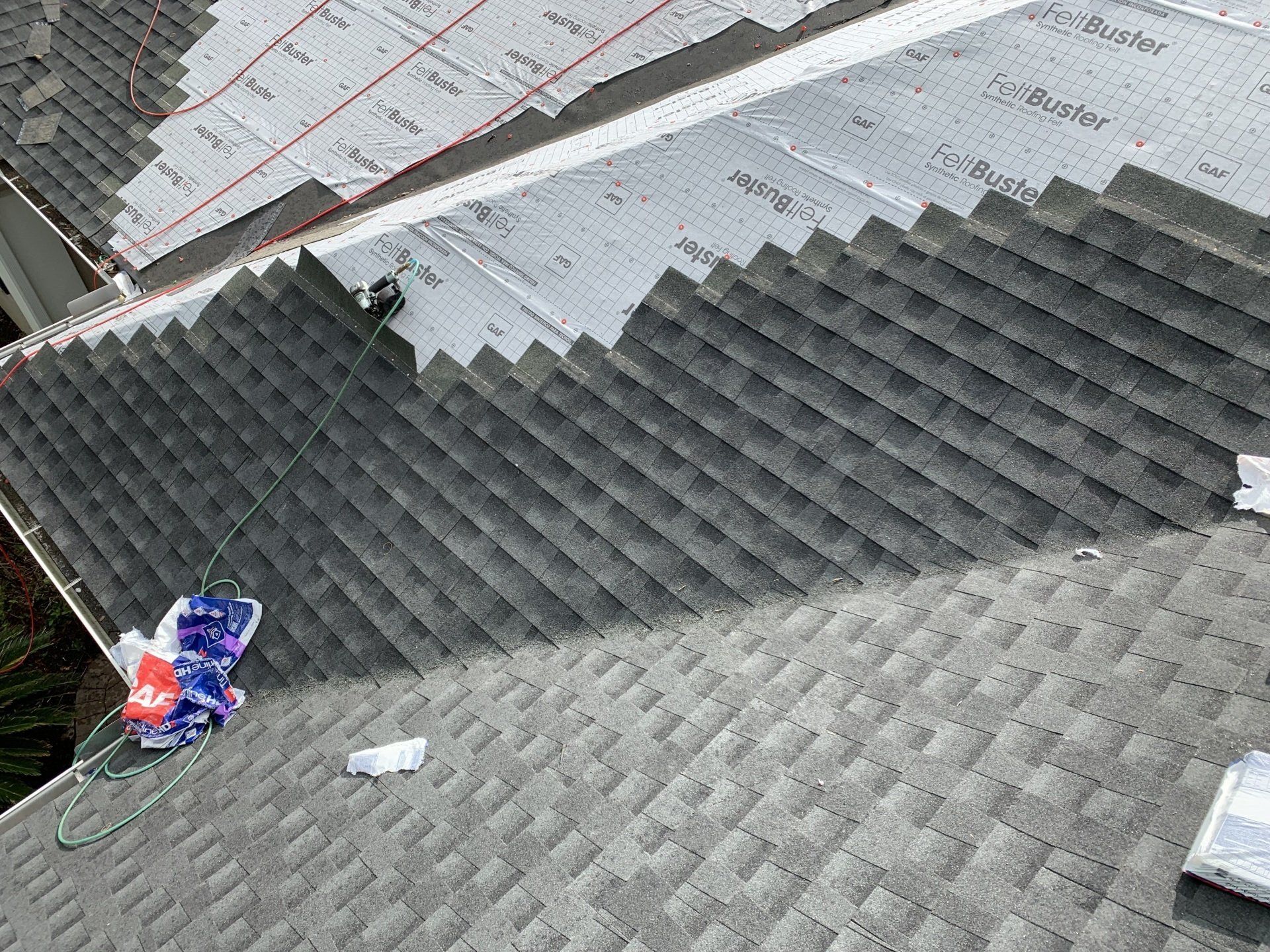
Replacing a roof is a major investment, so homeowners naturally want to understand timelines, materials, costs, and what happens during the installation process. Our roof replacement FAQ page covers what to expect before, during, and after a full residential roof replacement.
Residential Roof Repair
Not every roofing issue requires a full replacement. The residential roof repair FAQ page covers common problems like leaks, missing shingles, flashing failures, and how to determine whether repair or replacement is the better option.
What to Do Next
If your roof may have been damaged by wind, hail, or severe weather, the next step is a proper inspection. Whipple Roofing provides storm damage inspections and repairs for property owners in Savannah, Georgia and Hardeeville, South Carolina.
Call Whipple Roofing at (843) 227-8431 or visit the contact page to schedule an estimate.