Common Commercial Roofing Questions
Commercial roofing problems can disrupt business operations, create interior damage, and lead to expensive repairs if they are not addressed early. Unlike many residential roofs, commercial roofing systems often have low-slope or flat sections, multiple penetrations, drainage components, and larger surface areas that need a different approach to inspection, repair, and replacement.
Whipple Roofing provides commercial roofing services for property owners and managers in Savannah, Georgia and Hardeeville, South Carolina. This page answers common questions about commercial roof repairs, replacement needs, maintenance concerns, and what to expect when planning roofing work. For broader roofing questions, visit the
roofing FAQ hub.
What is considered commercial roofing?
Commercial roofing refers to roofing systems installed on buildings such as offices, retail properties, warehouses, apartment buildings, and other non-single-family structures.
These roofs often use different materials and designs than residential systems, which is why commercial projects require roofing experience specific to those building types.
How is commercial roofing different from residential roofing?
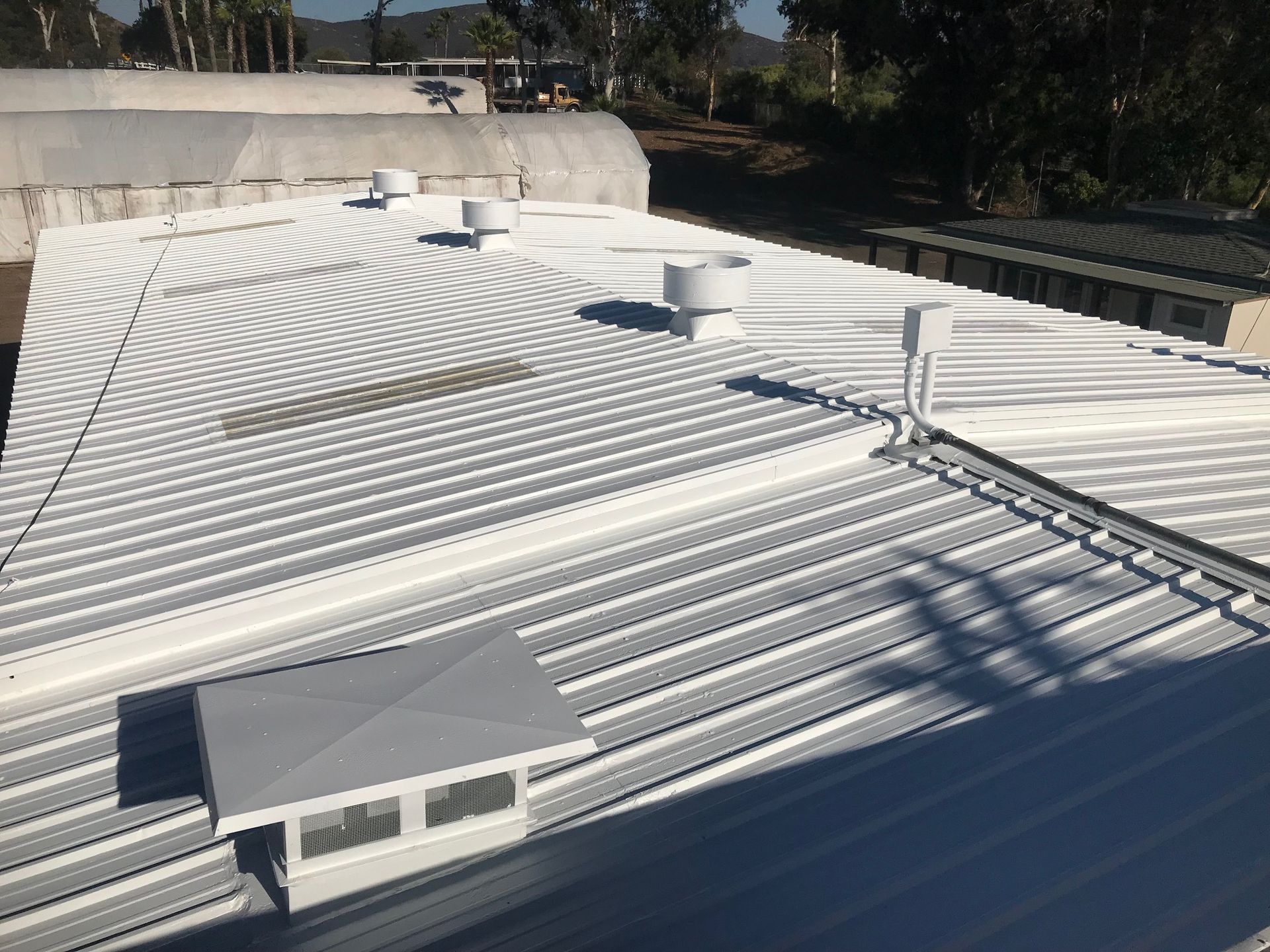
Commercial roofing systems are usually larger, flatter, and more complex than residential roofs. They may include membranes, coatings, drainage systems, rooftop equipment, and multiple penetrations that require careful waterproofing.
Because of that, the repair and replacement process is often different from what a homeowner would expect on a shingle roof.
How do I know if a commercial roof needs repair?
Common signs include active leaks, ponding water, membrane damage, visible seams pulling apart, flashing issues, staining on ceilings, or recurring moisture problems inside the building.
In many cases, problems start small and spread over time, so a professional inspection is the best way to determine the source and extent of the issue.
How often should a commercial roof be inspected?
Commercial roofs should generally be inspected on a routine basis and after major storms. Regular inspections can help identify drainage issues, seam failures, punctures, and other developing problems before they turn into larger repair costs.
Ongoing maintenance is especially important on low-slope roofs where water management is critical.
Can a commercial roof be repaired instead of replaced?
Yes. Many commercial roofing problems can be repaired if the damage is limited and the overall system is still in serviceable condition.
If the roof has widespread deterioration, recurring leaks, or structural issues, replacement may be the more practical long-term solution. The right recommendation depends on the condition of the existing roof and how much useful life remains.
What are the most common commercial roof problems?
Common issues include leaks around penetrations, drainage problems, ponding water, membrane punctures, flashing failure, seam separation, and storm-related damage.
Some commercial roofs also experience surface wear from prolonged sun exposure, standing water, and age.
How long does commercial roof repair take?
Repair time depends on the size of the affected area, the roofing system involved, and whether weather conditions allow work to proceed as planned.
Some repairs can be handled quickly, while others take longer if multiple areas are involved or if underlying materials have been damaged.
How much does commercial roofing work cost?
Commercial roofing costs vary based on roof size, material type, accessibility, the extent of the damage, and whether the project involves repair, coating, or full replacement.
The most accurate way to determine cost is through an on-site inspection and written estimate.
Can a roof coating help extend the life of a commercial roof?
In some cases, yes. A coating can be a good option when the existing roof is still structurally sound but needs additional surface protection and waterproofing.
Whether that makes sense depends on the type of roof and its condition. If that option may apply, Whipple Roofing also provides roof coating services.
What happens during a commercial roof inspection?
A commercial roof inspection typically involves evaluating the roof surface, seams, flashing, penetrations, drainage, and any visible signs of moisture intrusion or storm damage.
The goal is to identify current problems, determine what is causing them, and recommend the most practical next step for the property.
Can commercial roofing work be done without shutting down the building?
In many cases, yes. Roofing work is often planned in a way that reduces disruption to tenants, staff, customers, or normal business operations.
The scope of the project, building layout, and type of roofing system all affect how the work is scheduled.
Is storm damage on a commercial roof handled differently?
The inspection process is similar in the sense that the roof needs to be assessed quickly and documented clearly, but commercial systems often have different materials and drainage patterns than residential roofs.
If storm damage is suspected, early inspection is important to help prevent leaks, business interruption, and more expensive repairs later.
How do I know whether repair, coating, or replacement is the right option?
That depends on the age of the roof, the extent of the damage, the type of roofing system, and whether the existing roof still has useful life left.
Some roofs are good candidates for repair. Others may benefit from a coating system. If the roof is too deteriorated, replacement may be the smarter investment.
Related FAQ Topics
Storm Damage Assessment and Repair
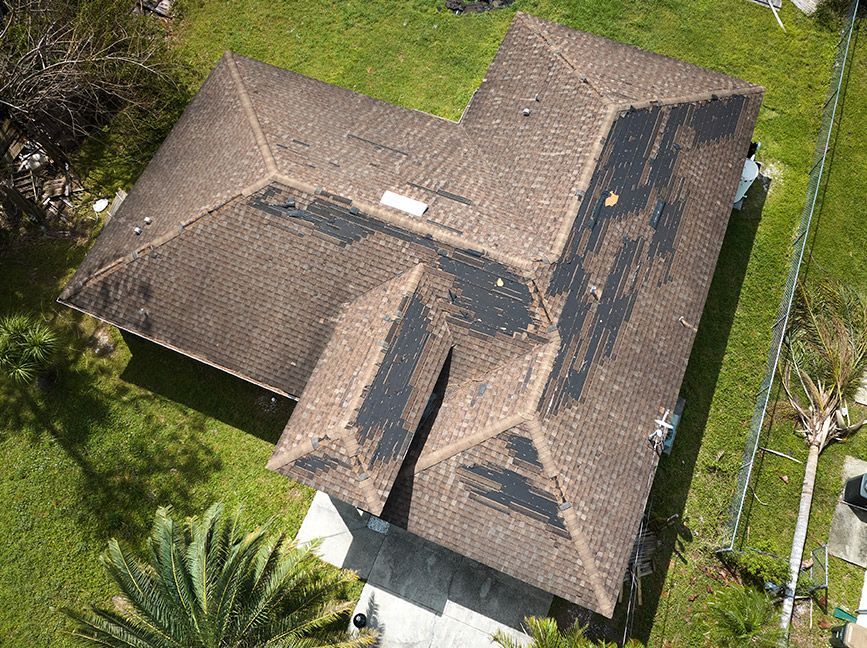
Storms along the Georgia and South Carolina coast can cause everything from minor shingle damage to major structural issues. Our storm damage FAQ page explains how roof inspections work after a storm, how insurance claims are typically handled, and what signs indicate immediate repairs are needed.
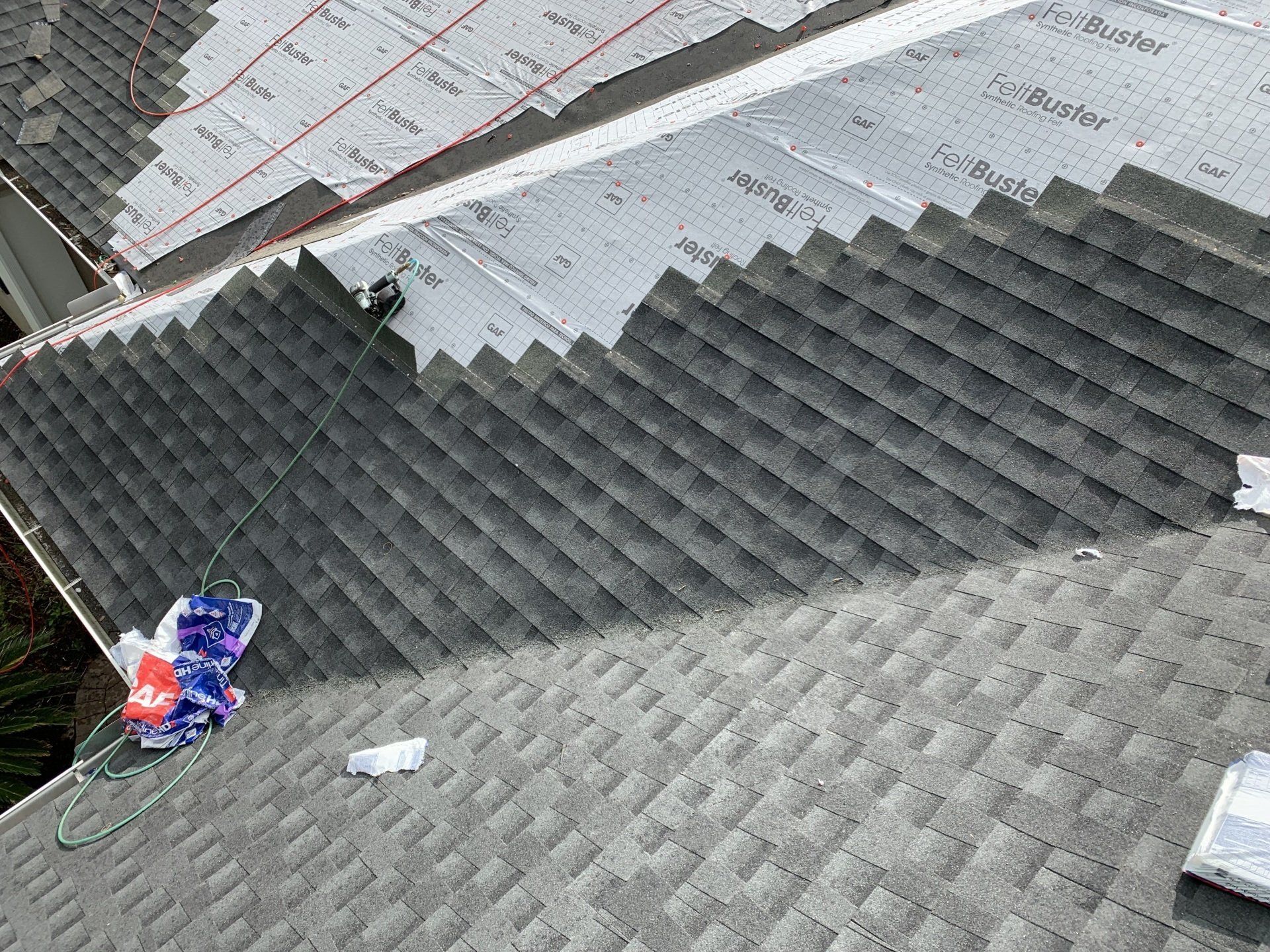
Residential Roof Replacement
Not every roofing issue requires a full replacement. The residential roof repair FAQ page covers common problems like leaks, missing shingles, flashing failures, and how to determine whether repair or replacement is the better option.
What to Do Next
If your building has leaks, drainage issues, storm damage, or signs of roofing wear, the next step is a professional inspection.
Whipple Roofing provides commercial roofing services for property owners and managers in Savannah, Georgia and Hardeeville, South Carolina.
Call Whipple Roofing at (843) 865-6298 or visit the contact page to schedule an estimate and get clear recommendations for your property.