Should I Call Insurance or a Roofer First After Storm Damage
A Roof Insurance Claim can feel like a second job after a storm, especially when you are trying to stop leaks and protect your home at the same time. In Richmond Hill, wind-driven rain can lift shingles and loosen flashing without leaving obvious damage on the ground. Whipple Roofing is licensed and insured, and we help homeowners document roof damage clearly so the claim process stays straightforward.
The outcome you want from a Roof Insurance Claim
You want the roof fixed correctly and you want the paperwork to match the actual damage. The goal is not “win a fight,” it’s to avoid delays, avoid confusion, and avoid paying out of pocket for problems tied to a covered event. The best claims are the ones that are documented early and explained clearly.
Most claim frustration comes from two things. Homeowners wait too long to document damage, or the photos do not show what the adjuster needs to see. A solid plan makes the claim process feel less like guesswork and more like a checklist.
Our process in Richmond Hill
We keep this practical because storms already cause enough stress. We inspect, document, and explain the options so you know what’s repairable and what isn’t. This is what Locally Owned & Operated Roofing Professionals should do, not just hand you a vague estimate and disappear.
Step 1
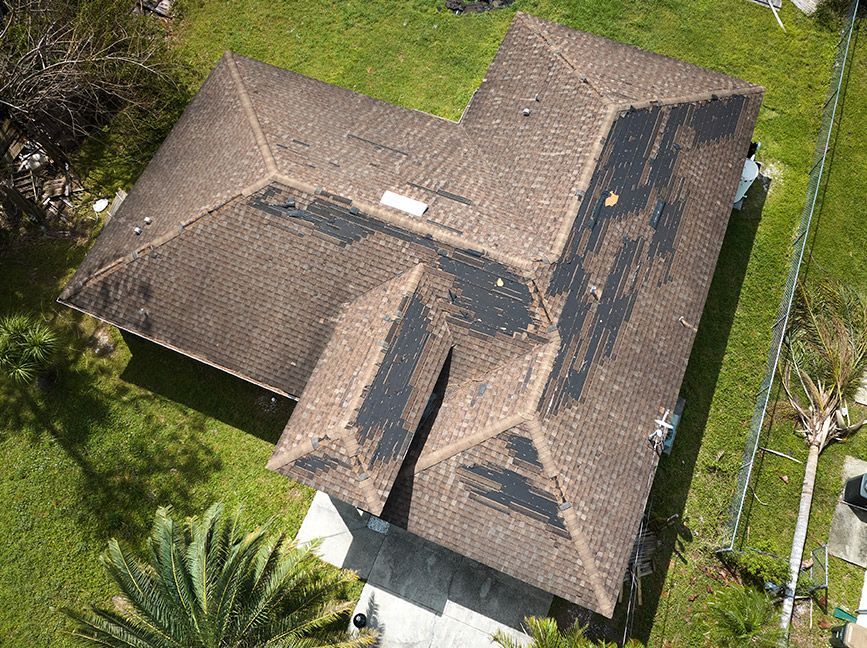
We start with a storm damage assessment that focuses on the details that fail first. That includes shingle seals, ridge caps, flashing at vents and walls, and any penetrations where water can enter. We also look for collateral issues like granule loss and displaced components that signal wind impact.
Step 2
We document what we find with clear photos and notes that match the roof system. You get a simple explanation of what’s storm-related versus normal wear, because that difference matters for a claim. If the damage lines up with a storm event, we approach it the same way we do on our residential storm damage repair work.
Step 3
We lay out next steps in plain language. That can be temporary protection to prevent more interior damage, a targeted repair plan, or a replacement conversation if the roof is at the end of its service life. If you want to see the kind of work we’re talking about, browse our recent roofing projects.
Richmond Hill specifics that affect claims and repairs
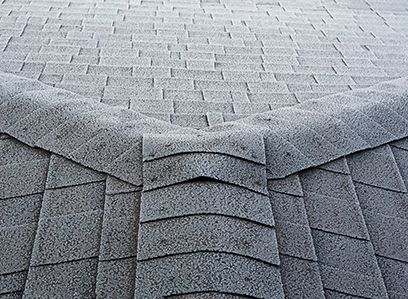
Storm damage in this area is often more about wind lift than dramatic impact marks. Shingles can look “mostly fine” from the yard while the seal is broken and water is riding underneath. That’s why an inspection needs to focus on edges, transitions, and flashing, not just missing shingles.
Permits can also come into play if your project turns into a full replacement or major scope. It’s smart to confirm local inspection and permitting requirements early so your schedule doesn’t get stalled. The City’s Building Permits and Inspections information is the cleanest place to start.
What to document before you file a Roof Insurance Claim
Start with safe photos from the ground and inside the home. Get wide shots of each roof slope, close-ups of any visible shingle loss or lifted edges, and photos of interior staining or active leaks. Save a few “context” shots that show the location, like the room where staining appears and the exterior wall line above it.
Write down the storm date and what you noticed, even if it seems minor. Keep receipts for any temporary protection you paid for, because insurers often want proof you took reasonable steps to prevent additional damage. Georgia’s Office of Commissioner of Insurance also recommends filing promptly and providing complete, correct information to avoid delays, which is worth reading before you start the calls.
Cost drivers that matter when insurance is involved
The scope depends on what failed and how far the damage traveled. A few lifted shingles and a flashing issue can be a clean repair, while hidden moisture under the surface can expand the work quickly. Roof height, steepness, and the number of penetrations also affect labor time.
The biggest swing factor is what’s underneath. If decking is soft or insulation is saturated, the repair is no longer just surface work. That’s why the inspection and documentation step matters so much, because it keeps the plan tied to real conditions.
Pair the claim with the right related services
If the roof is still in decent shape and the storm damage is localized, repairs may be the smartest move. If damage is widespread or the roof is near the end of its life, replacement may be the more predictable option long term. You can start by reviewing the basics on our FAQs page, which covers common homeowner questions we hear after storms.
If budget timing is part of the decision, it helps to know your options before you’re forced into a rushed choice. Our roof financing options page explains the basics. When you’re ready to get eyes on your roof and get documentation started, use our contact page to request an inspection.
Safety, licensing, and cleanup that protect you during storm season
After a storm, climbing on the roof is how people turn a property problem into a hospital problem. Wet shingles, loose granules, and hidden decking damage make roofs risky even for confident homeowners. Leave roof access to a trained crew and keep your photos to what you can safely capture from the ground.
Whipple Roofing is licensed and insured, and we keep the site controlled when repairs are performed. That means protecting landscaping, managing debris, and cleaning up thoroughly so you’re not dealing with nails in the driveway later. If you want to know who you’re hiring, our About Whipple Roofing page covers our background and how we run jobs.
FAQ
Should I call my insurance company first or schedule an inspection first?
If you have active leaking, protect the interior first and schedule an inspection as soon as it’s safe. Documentation helps you understand what happened before you start making decisions. Your insurer will still guide claim steps, but clear photos and notes help the process move smoother.
What if the roof looks fine from the ground but I have a ceiling stain?
That’s common after wind-driven rain. Water can enter at flashing or lifted shingle edges and show up far from the entry point. An attic and roof detail inspection usually finds the pathway faster than guessing based on the stain.
What can slow down a Roof Insurance Claim the most?
Waiting too long, incomplete photos, and missing information are frequent issues. Claims tend to move better when you file promptly and provide complete, accurate details. Georgia’s insurance claim tips page calls this out directly.
Will insurance cover wear-and-tear or an older roof that just needs replacing?
Typically, insurance focuses on sudden, accidental damage tied to a covered event, not long-term deterioration.
That’s why separating storm damage from age-related wear matters. A documented inspection helps set expectations early.
Do I need a permit for roof work in Richmond Hill?
Small repairs often do not, but replacements and larger scopes may require permits and inspections. It’s smart to confirm early if the project is more than minor repair work. The City’s Building Permits and Inspections page is a good reference.
A Roof Insurance Claim goes smoother when you document early, avoid guesswork, and match the repair plan to what the storm actually did. If you’re in Richmond Hill and you want straight answers with clear photos and options, we’ll inspect the roof and lay out the next step without the runaround.
Schedule a free consultation or call for a quote today with Whipple Roofing.