The Most Common Roof Repair Problems We See in Richmond Hill and What Causes Them
Roof repair is usually not on anyone’s weekend plan, but Richmond Hill weather has a way of forcing the issue. Wind, driving rain, and brutal sun find the weak spots fast, especially on older roofs or rushed installs. Whipple Roofing is licensed and insured, and we’ll show you what’s happening and what it takes to fix it the right way.
The roof repair outcome you actually want
Most people think roof repair means “stop the leak,” and that’s fair. The better goal is stopping the leak and making sure it doesn’t come back in a different spot next month. A roof can look fine from the driveway and still be failing at the details.
The most expensive roof problems are usually quiet at first. A tiny opening can soak decking, grow mold, or damage insulation long before anyone notices. If you’re seeing stains, smelling damp drywall, or finding granules in gutters, your roof is already trying to tell you something.
If you want the short version of what we do and the kind of roofs we work on, start at the Whipple Roofing home page. It gives you the big picture without the salesy fluff.
The most common roof repair problems we see in Richmond Hill
We don’t see “mystery leaks” as often as people think. Most leaks come from the same handful of issues, and the cause usually makes sense once you’re on the roof. Here are the ones that show up constantly in Richmond Hill.
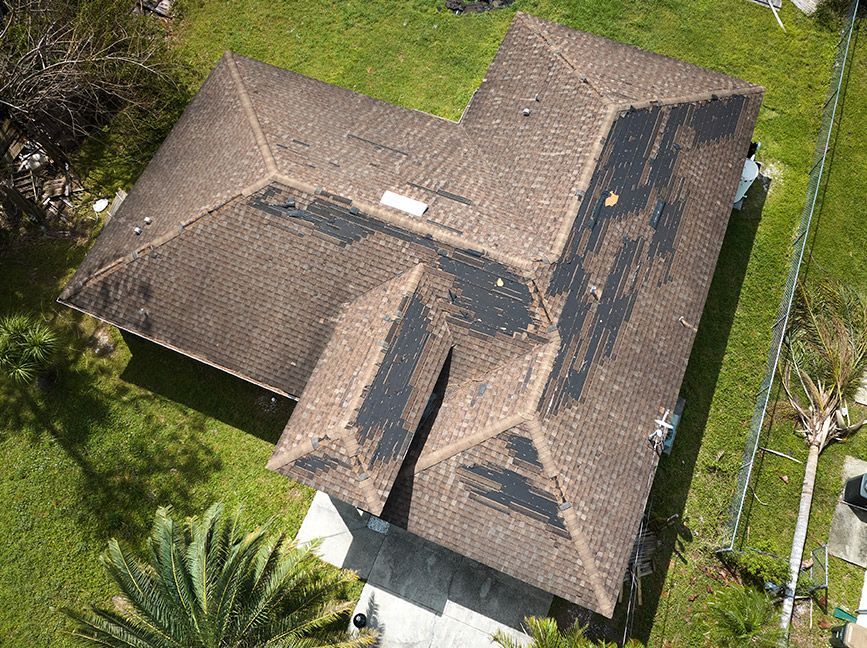
Blown off or lifted shingles after storms
Wind gets under shingle edges and starts peeling them back like a zipper. Once that seal breaks, water can ride underneath even if the shingle still looks “mostly there.” This is one of the easiest problems to ignore until the underlayment takes a beating.
When storms roll through, the damage is not always dramatic. Sometimes it’s just a handful of lifted tabs and exposed nails that create slow leaks. If you suspect storm damage, our residential storm damage repair service page explains what we document and how we help, including when insurance is involved.
Flashing failures around chimneys, walls, and vents
Flashing is where a lot of roof leaks are born. Pipe boots crack, sealant dries out, step flashing pulls loose, and water takes the easiest path into your attic. This is why “just caulk it” is usually a temporary answer at best.
The annoying part is that flashing issues often show up far from where you see the stain. Water travels along framing and drops where it feels like it. A proper inspection is the difference between fixing it once and chasing it for a year.
Nail pops and exposed fasteners
A nail that backs out even slightly can lift a shingle edge and create a small opening. Sun heat cycles and humidity make this worse over time. When enough nails pop in the same area, the roof starts acting loose even if the shingles are not worn out yet.
This tends to happen on roofs with older decking, poor ventilation, or fast installs. It also shows up after storms that flex the roof system. It’s fixable, but it needs to be handled correctly so the repair lasts.
Soft decking and hidden wood rot
If decking feels spongy, you’ve likely had water getting in for a while. Sometimes it’s from a known leak, and sometimes it’s from long-term ventilation issues or repeated small failures at flashing. Either way, soft decking is a structural problem, not a cosmetic one.
This is where repairs can turn into bigger decisions. If enough decking is compromised, you may be better off planning a replacement instead of stacking patchwork. Our residential roof replacement services page is a good reference for what triggers that recommendation.
Bad ventilation that cooks the roof from underneath
Richmond Hill attics get hot, and a poorly ventilated attic shortens roof life. Excess heat and moisture can warp decking, stress shingles, and create condensation problems that look like leaks. People often blame the roof first, but the attic conditions are doing the damage.
Ventilation fixes are not always expensive, but they do require someone who understands airflow, not just “adding a vent.” A good roof repair plan accounts for what’s happening underneath, not just what’s visible on top.
Gutter and drainage issues that back water up
Gutters don’t get enough respect. Overflow can soak fascia, rot wood, and push water where it shouldn’t go. In heavy rain, clogged gutters can also cause water to back up under the edge of the roof.
Granules in gutters are also a sign the shingles are wearing down. If you’re seeing grit like sand after storms, that’s your roof aging in real time.
Our roof repair process in Richmond Hill
We keep this simple because homeowners and property managers need clear answers. We inspect, document, explain options, and fix what matters. You’ll know what we found and why we recommend what we recommend.
Step 1
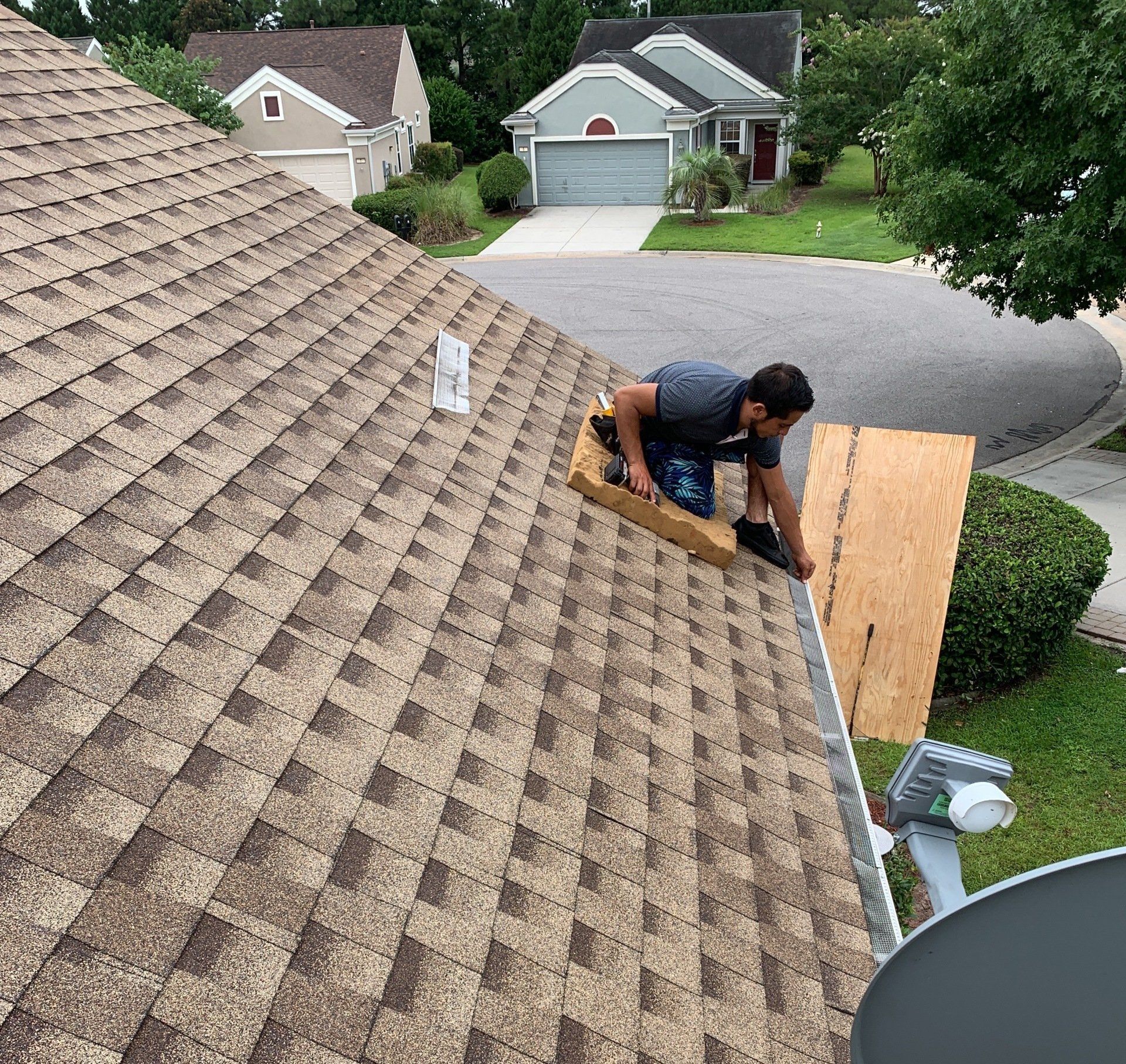
We do a full inspection, not a quick glance. We check the roof surface, flashing, penetrations, edges, and attic signals if accessible. Then we document everything with photos so you’re not taking anyone’s word for it.
Step 2
We give you repair options that fit the situation. If it’s localized and the roof is healthy, we keep it targeted. If it’s widespread wear, repeated failures, or soft decking, we’ll tell you that plainly and explain what makes the most sense long-term.
Step 3
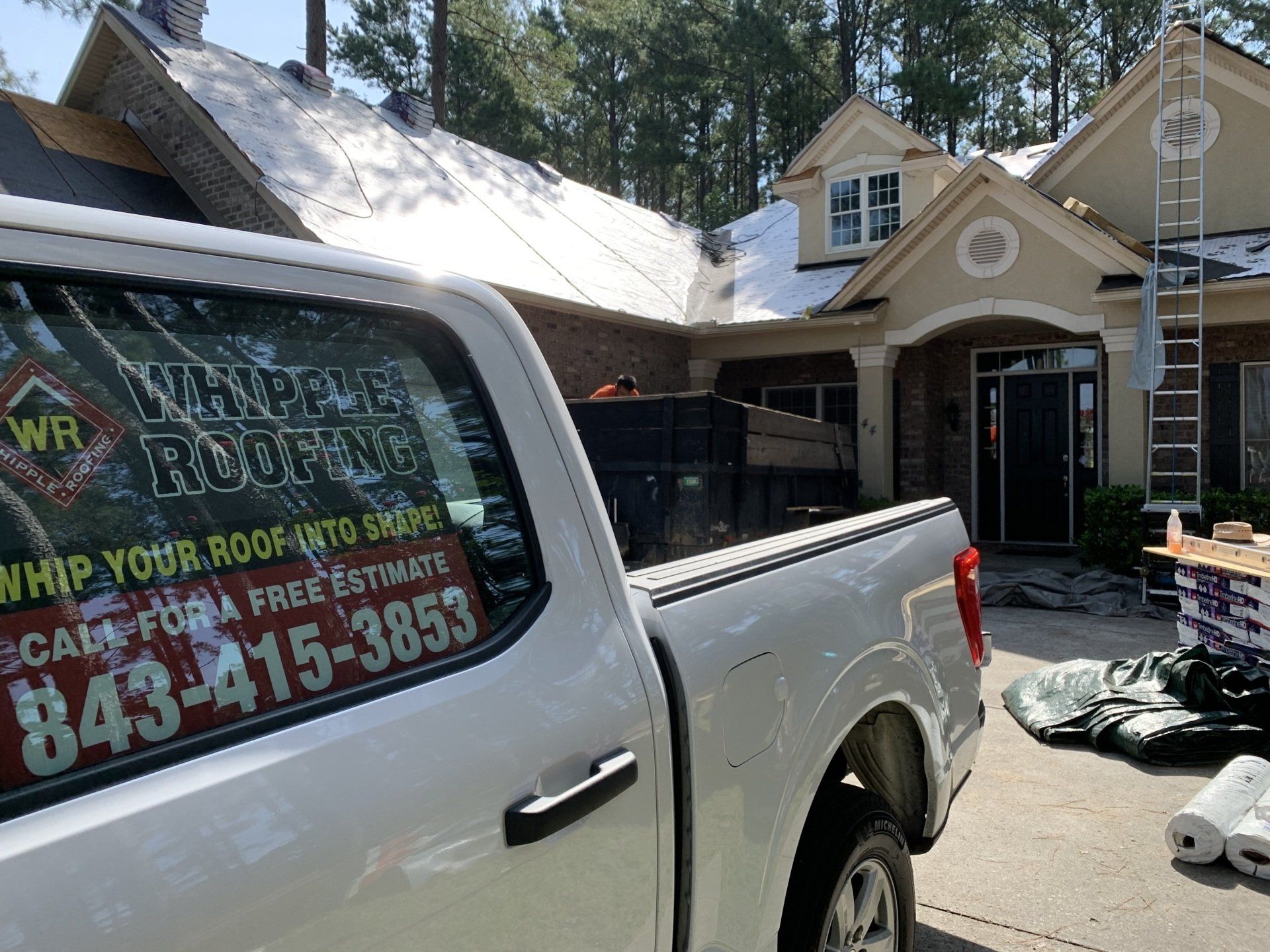
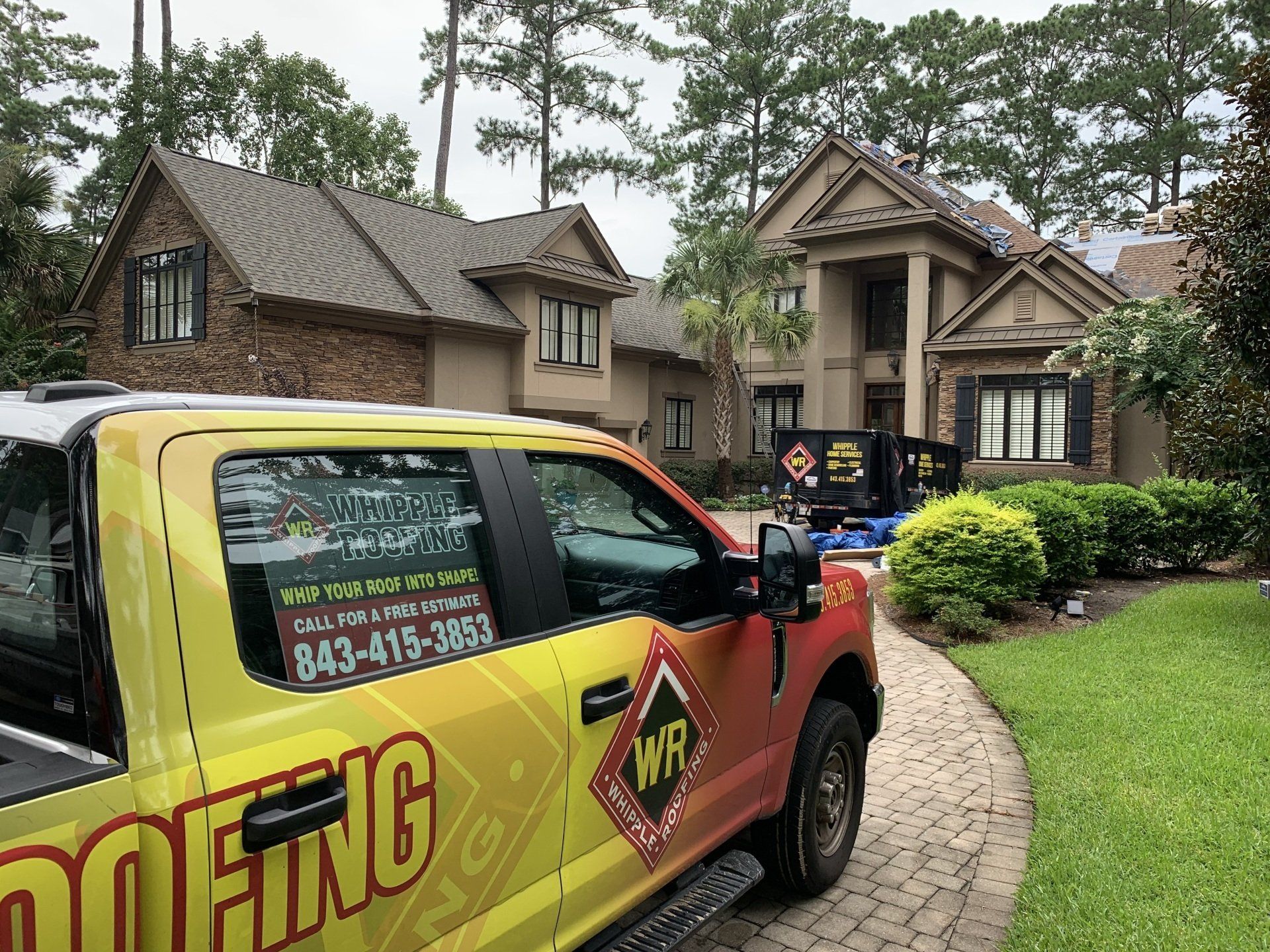
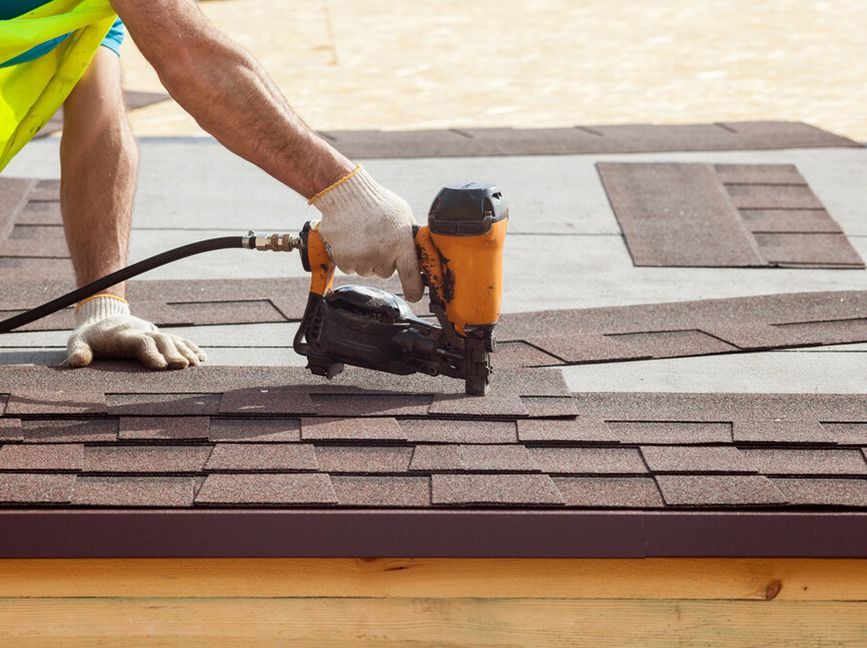
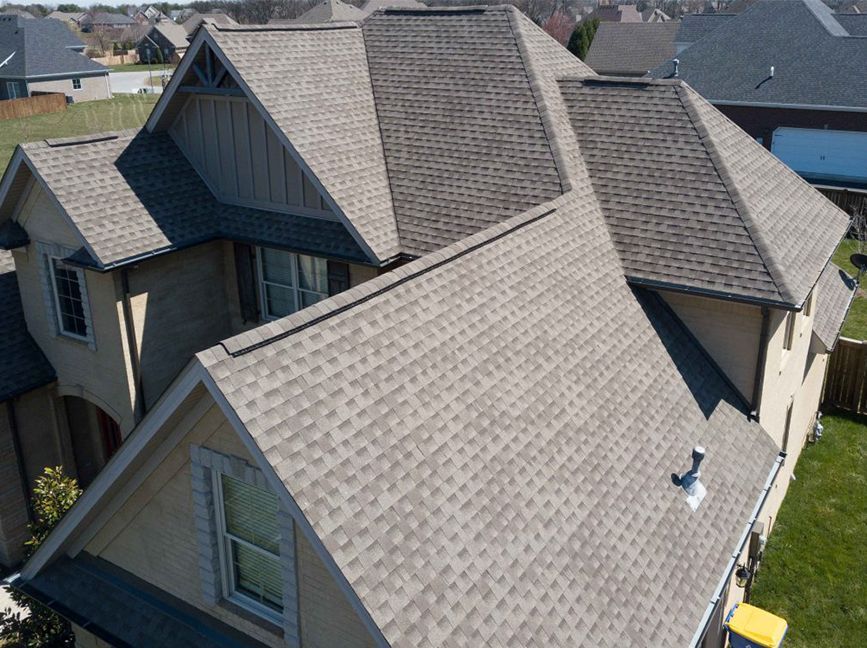
We complete the work cleanly and safely, then recheck the repair areas before we leave. We also clean up like adults, because your driveway should not become a nail scavenger hunt. If you want to see the kind of jobsite finish we aim for, browse our roofing project gallery.
Richmond Hill specifics like permits, access, and storm patterns
Roof repair usually doesn’t require a permit, but certain scopes and replacements can. If you’re planning a full replacement or major work, it’s smart to check local requirements early so nothing gets delayed. The City of Richmond Hill’s building permits and inspections information is the most direct source.
Storm season also changes the timeline. After a big event, crews get booked and material schedules tighten. If your roof has known weak spots, handling them before the next storm is usually cheaper and far less stressful.
Cost drivers for roof repair in Richmond Hill
Roof repair cost comes down to access, complexity, and what’s damaged underneath. A simple shingle repair near the edge is a different job than a flashing rebuild around multiple penetrations. Steeper roofs, multiple stories, and tight staging areas can also add time.
The big driver is hidden damage. If decking or underlayment is compromised, the repair has to address more than the surface. That’s why “cheap fixes” often turn into expensive repeats.
Pair roof repair with the right related services
If your roof has been leaking, the next question is usually “what else got affected.” Water does not stop at the shingles. It moves into decking, fascia, soffit, and sometimes walls.
If you’re dealing with recurring leaks or you just want a real assessment, start with our residential roof repair services page. It outlines what we handle and when repairs make sense.
If you’re trying to prevent problems between inspections, our roofing advice and homeowner tips is a good, plain-language resource. It covers the things you can spot early before they turn into a bigger job.
Safety, licensing, and cleanup that actually matters
Roofs are dangerous, and roof work should not look like a circus. We use proper fall protection, control the work area, and keep the site organized. That protects your property and the people around it.
Whipple Roofing is licensed and insured, and we’re used to working with homeowners, real estate agents, and insurance companies. If an insurance claim is involved, documentation and clarity matter, and we know how to present the condition honestly without playing games.
FAQ about roof repair in Richmond Hill
Q: What’s the fastest way to tell if I need roof repair in Richmond Hill?
A: Look for staining on ceilings, damp smells, granules in gutters, and shingles that look lifted or uneven. If the leak showed up after a storm, there may be wind damage you can’t see from the ground. An inspection with photos is the quickest way to stop guessing.
Q: Can a roof leak show up far from where the water is getting in?
A: Yes, all the time. Water can travel along decking or framing and drip where it finds an opening. That’s why the visible stain is not always the leak source.
Q: Is it safe to wait if the leak is small?
A: Small leaks rarely stay small. Even a minor opening can saturate insulation and rot decking over time. The sooner you handle it, the more likely it stays a repair instead of a replacement conversation.
Q: How do you decide between repair and replacement?
A: We look at overall roof age, how widespread the wear is, and whether there’s underlying damage like soft decking. If the roof is otherwise healthy, repairs make sense. If problems keep showing up in different areas, replacement often becomes the more cost-effective plan.
Q: What should I do right after a storm if I suspect damage?
A: Take photos from the ground, note where leaks show up inside, and avoid climbing on the roof. If you have active water intrusion, protect the interior first, then schedule an inspection to document damage properly. That documentation matters if insurance is part of the equation.
Roof repair is easiest when you catch problems early, before the roof starts damaging what’s underneath it. If you’re in Richmond Hill and you’re seeing leaks, lifted shingles, staining, or repeat issues, we’ll inspect, document, and give you clear options that actually solve the problem.
Schedule a
free consultationor call for a quote today with Whipple Roofing.