What We Look For During a Storm Damage Assessment in Bluffton
A storm damage assessment is the difference between “I think we’re fine” and finding out the hard way when the ceiling stains show up weeks later. In Bluffton, wind-driven rain and sudden gusts can lift shingles and open seams without leaving obvious carnage in your yard. Whipple Roofing is licensed and insured, and we’ll document what happened so you can make a smart call on repairs and insurance.
What you actually want from a Storm Damage Assessment
You want answers that are clear, documented, and tied to what your roof is doing right now. A real storm damage assessment looks for the small failure points that let water travel, not just the missing-shingle stuff that’s easy to spot. It also helps you avoid wasting time filing a claim for wear-and-tear that insurance is not going to treat as storm damage.
Storm damage can be sneaky because roofs do not leak straight down. Water moves along decking and framing and shows up where it feels like it, which is why “the stain is right here” rarely means “the hole is right above it.” If you want a basic baseline for your roof’s condition outside of storm events, our roofing advice and homeowner tips can help you know what’s normal and what isn’t.
Our Storm Damage Assessment process in Bluffton
We keep this straightforward because people are already stressed after a storm. You get photos, plain-language findings, and a repair plan that matches the damage and your timeline. That’s how Locally Owned & Operated Roofing Professionals should operate, especially when insurance may be part of the conversation.
Step 1
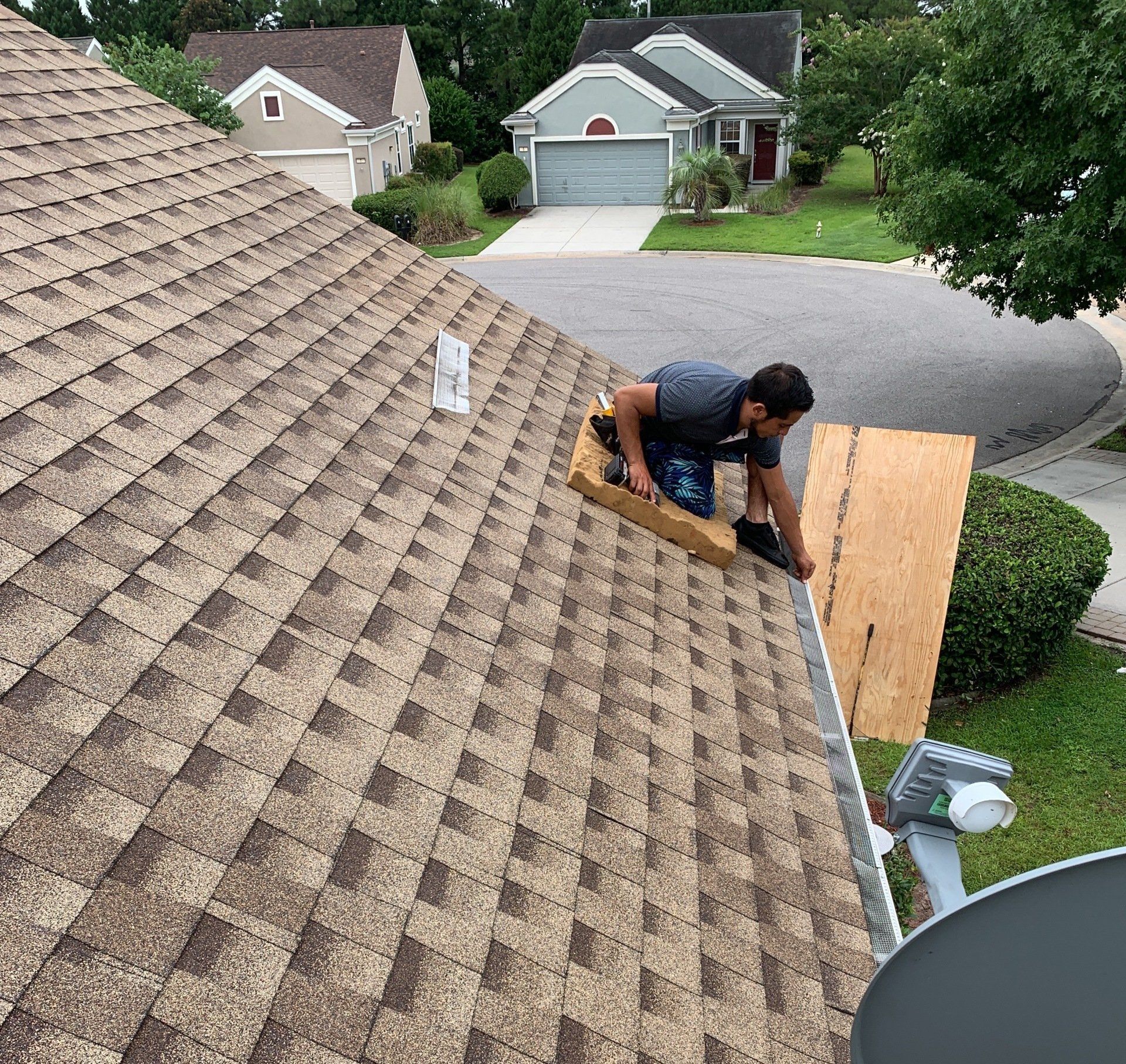
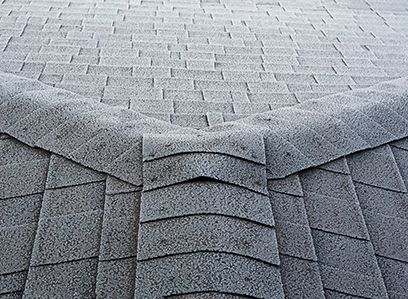
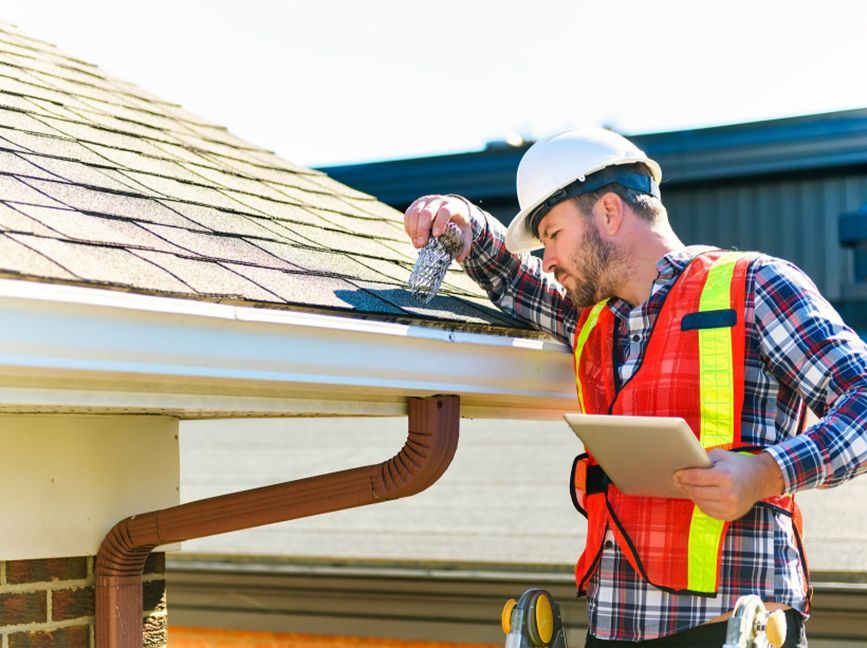
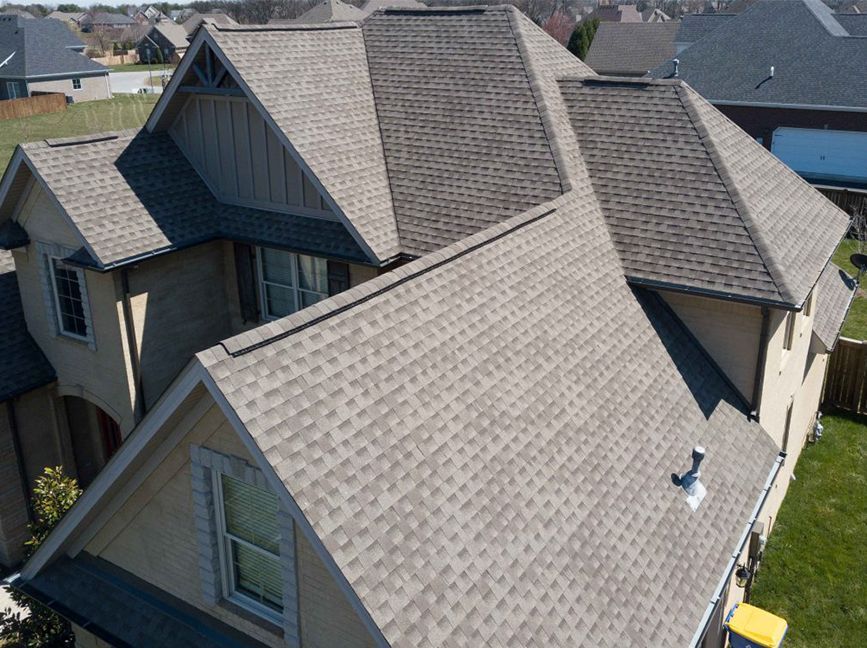
We start with a safe exterior review and look for obvious storm signals like missing shingles, lifted edges, and damaged ridge caps. Then we check the spots that usually fail first, including flashing around vents, chimneys, walls, and any penetrations. If you have gutters, we also note granule loss and overflow patterns because that tells a story about roof wear and water flow.
Step 2
We document everything with clear photos and notes that match what we found. If the damage is storm-related, we point out what indicates wind impact or water intrusion tied to the event. If it’s mostly age and deterioration, we tell you that too, because honesty saves you time and keeps expectations realistic.
Step 3
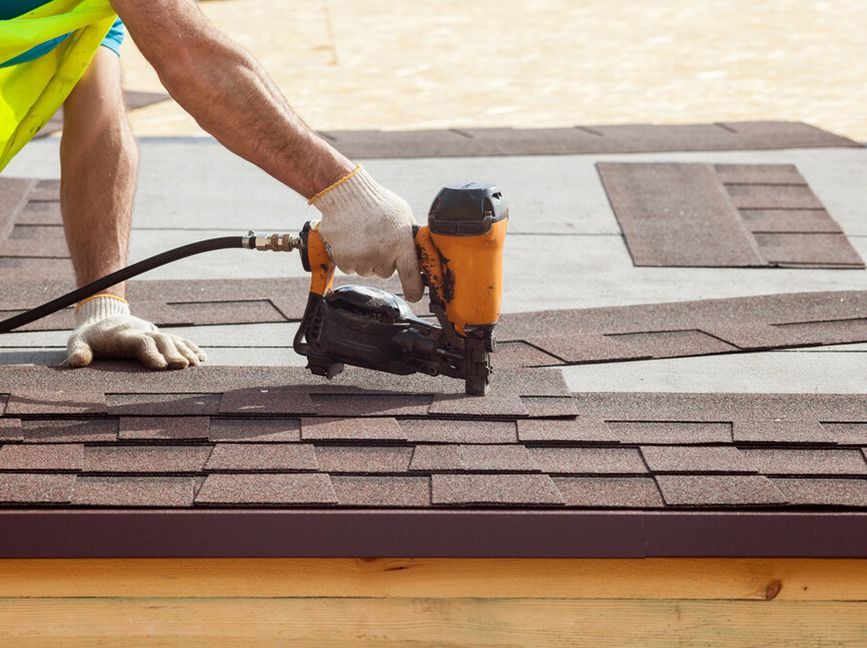
We lay out next steps, whether that’s a targeted repair, temporary protection, or a larger plan if the roof is at the end of its service life. If storm damage is confirmed, we can help you move forward with repairs and the paperwork side without turning it into a mess. Our residential storm damage repair services page explains how we handle repairs and documentation when storms are the cause.
Bluffton specifics that affect storm damage and follow-up work
Bluffton storms are not just rain. It’s wind that gets under edges, drives water sideways, and turns small gaps into repeat leaks. That’s why we focus on edges, flashing, and drainage paths, because those are the spots Bluffton weather punishes first.
If you’re planning major work after storm damage, permitting can come into play depending on scope. It’s smart to confirm local requirements early so the project doesn’t stall once materials and scheduling are lined up. For official guidance on storm recovery steps and filing a claim, the South Carolina Department of Insurance has a helpful what to do after a storm resource.
Cost drivers after a Storm Damage Assessment
Storm damage repair costs depend on what failed and how far the damage traveled. A few lifted shingles and a compromised flashing detail can be a clean repair, while hidden moisture under the surface can expand scope quickly. The steepness of the roof, height, access, and how many penetrations the roof has also change labor time.
The biggest swing factor is what’s underneath. If decking is soft or underlayment has been compromised for a while, the fix has to address structure, not just the surface. That’s why a storm damage assessment matters, because it helps you avoid the cheap patch that turns into a second call.
Pair storm work with related services that prevent repeat issues
Storm damage and drainage problems love each other. If gutters are clogged, undersized, or dumping water where it shouldn’t go, storm runoff can get forced into roof edges and fascia over and over. Take a look at our gutter installation and repair services if you’ve seen overflow, staining, or washout after rain.
Sometimes the assessment shows storm damage, but it also shows the roof is simply worn out. When repairs start stacking up in different areas, replacement becomes the more predictable option. Our residential roof replacement services page explains what pushes that decision.
If the storm damage is minor and the roof is otherwise healthy, a targeted repair is often the right move. Our residential roof repair services page outlines what we typically fix and how we approach recurring leak points.
Safety, licensing, cleanup, and why it matters after storms
After a storm, the urge to climb a ladder is strong and usually a bad idea. Roof surfaces can be slick, decking can be compromised, and downed lines can turn a “quick look” into a hospital visit. Keep it simple: document from the ground and let a trained crew handle roof access.
Whipple Roofing is licensed and insured, and we treat storm assessments like real work, not a quick sales stop. We protect the property, keep the site controlled, and clean up thoroughly when repairs are performed. If you want to see the quality level we aim for, browse our recent roofing projects.
FAQ about Storm Damage Assessment in Bluffton
Q: How soon should I schedule a storm damage assessment in Bluffton after a storm?
A: As soon as it’s safe, especially if you saw shingles lifting, debris impacts, or water inside. Storm damage is easier to document when conditions are fresh and before temporary fixes or additional rain complicate the picture. If you’re unsure, start with photos from the ground and get an inspection scheduled.
Q: What counts as storm damage versus normal roof wear?
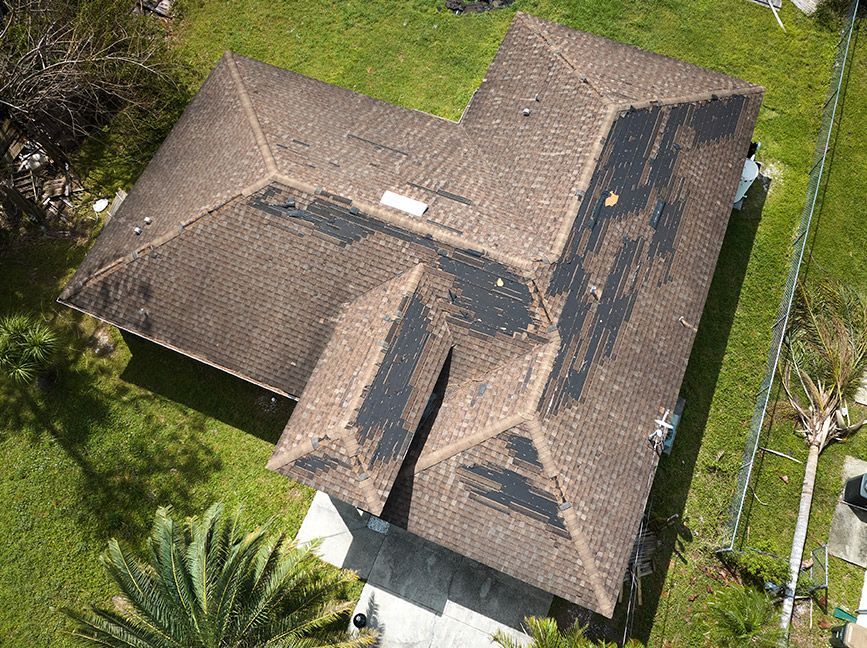
A: Storm damage usually shows up as lifted or missing materials, impact marks, torn areas, or sudden failures tied to a specific event. Normal wear looks like gradual shingle aging, widespread granule loss, or long-term flashing deterioration. A storm damage assessment helps separate the two so you don’t waste time chasing the wrong path.
Q: Can a roof be damaged even if there are no shingles on the ground?
A: Yes, and it happens constantly. Wind can lift shingle edges and break seals without ripping the shingle off, and water can enter at flashing details without obvious exterior clues. That’s why the assessment focuses on details, not just obvious missing pieces.
Q: What should I do if I find water inside after a storm?
A: Protect the interior first and take photos of stains, drips, and any wet areas you can safely access. Don’t assume the entry point is directly above the stain, because water travels. Schedule an inspection so the roof can be documented and repaired before the next rain.
Q: Will you help if insurance is involved?
A: Yes, when storm damage is legitimate and documented, we’re used to working directly with insurance companies and helping homeowners understand the claim process. The goal is to present clear documentation and a scope that matches the actual damage. If you’re still gathering info, our
FAQs can help answer common questions before you call.
A storm damage assessment gives you a clear picture of what the storm did, what needs attention, and what can wait. If you’re in Bluffton and you want real documentation and a straight answer, we’ll inspect the roof and lay out the next step without the runaround.
Schedule a
free consultation or call for a quote today with Whipple Roofing.